Theatre · Broadway & West End
Broadway sound and the musical stage
Broadway's story begins with theatres built to carry the unaided voice, backstage effects and supplier shops. What follows traces how architectural acoustics gave way to footlight microphones, body microphones and the credited sound designer — and where the record is too thin to name a single "first". Early New York practice comes first; the later equipment story follows Broadway and the West End into the modern musical.
New York · 1900s–1975
Before the modern Broadway sound system
1936
Masque Sound founded by three Broadway stagehands, starting with sound effects and backstage paging.
1946
Sound Associates opens, becoming Masque's long-running Broadway rival.
1964
Funny Girl opens at the Winter Garden with body microphones; Golden Boy follows within months.
1968
The Great White Hope, among the Broadway shows credited to Masque's Jack, the first of a run of supplier-designed musicals.
1968
Hair opens at the Biltmore; Abe Jacob is brought in to rework its sound.
1971–72
Jesus Christ Superstar and Pippin: Jacob's concert-style systems, and the beginning of designer credits as a norm.
1975
A Chorus Line opens with Jacob and Otts Munderloh in the sound department; Michael Bennett's shows become the model for the modern musical.
1900s–1930s
When the house did the work
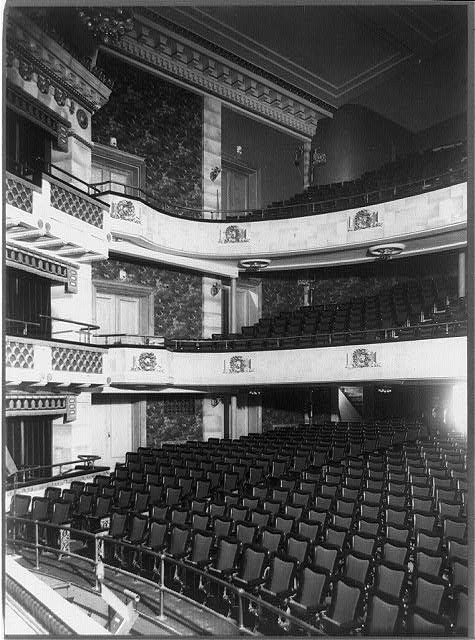
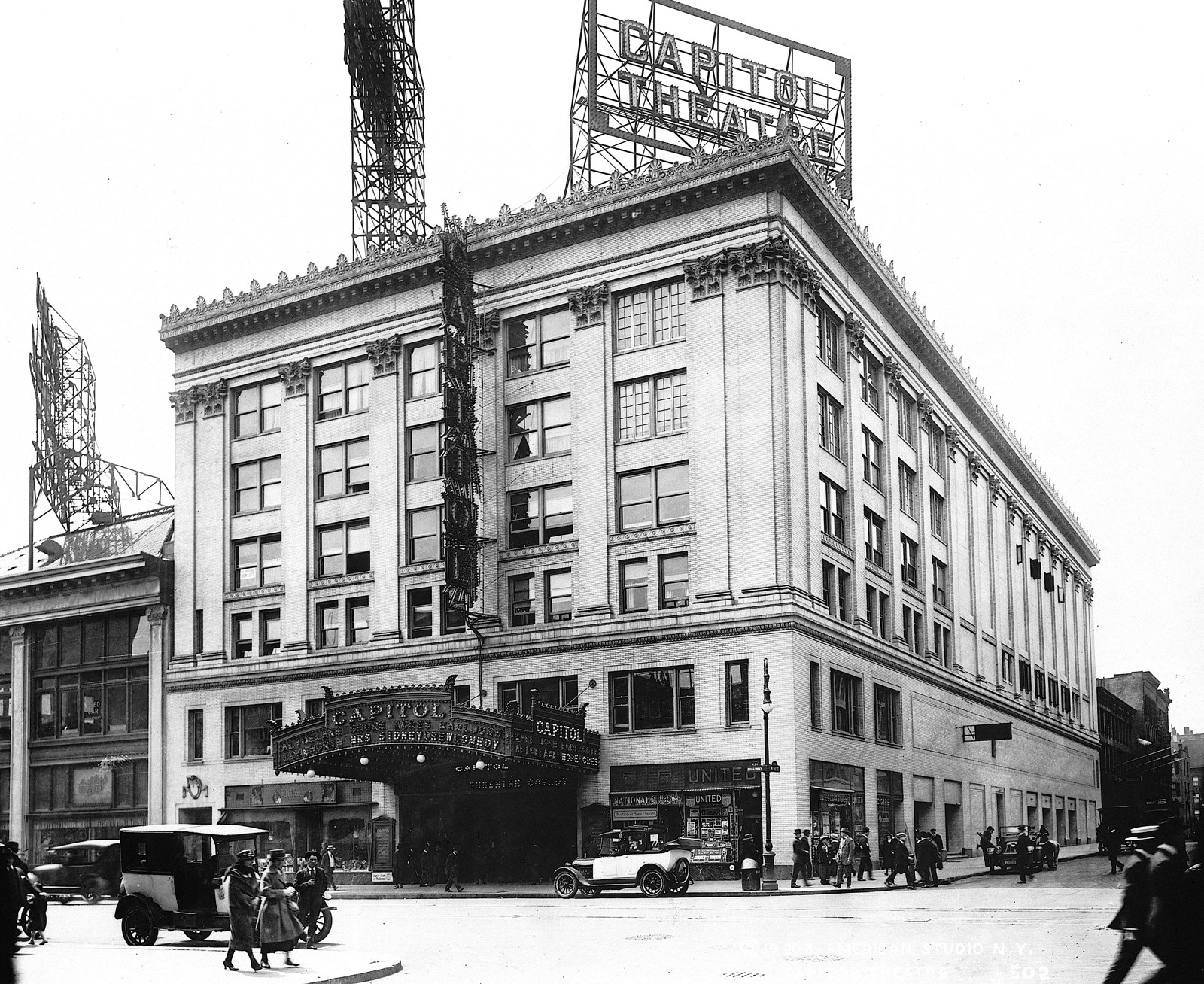
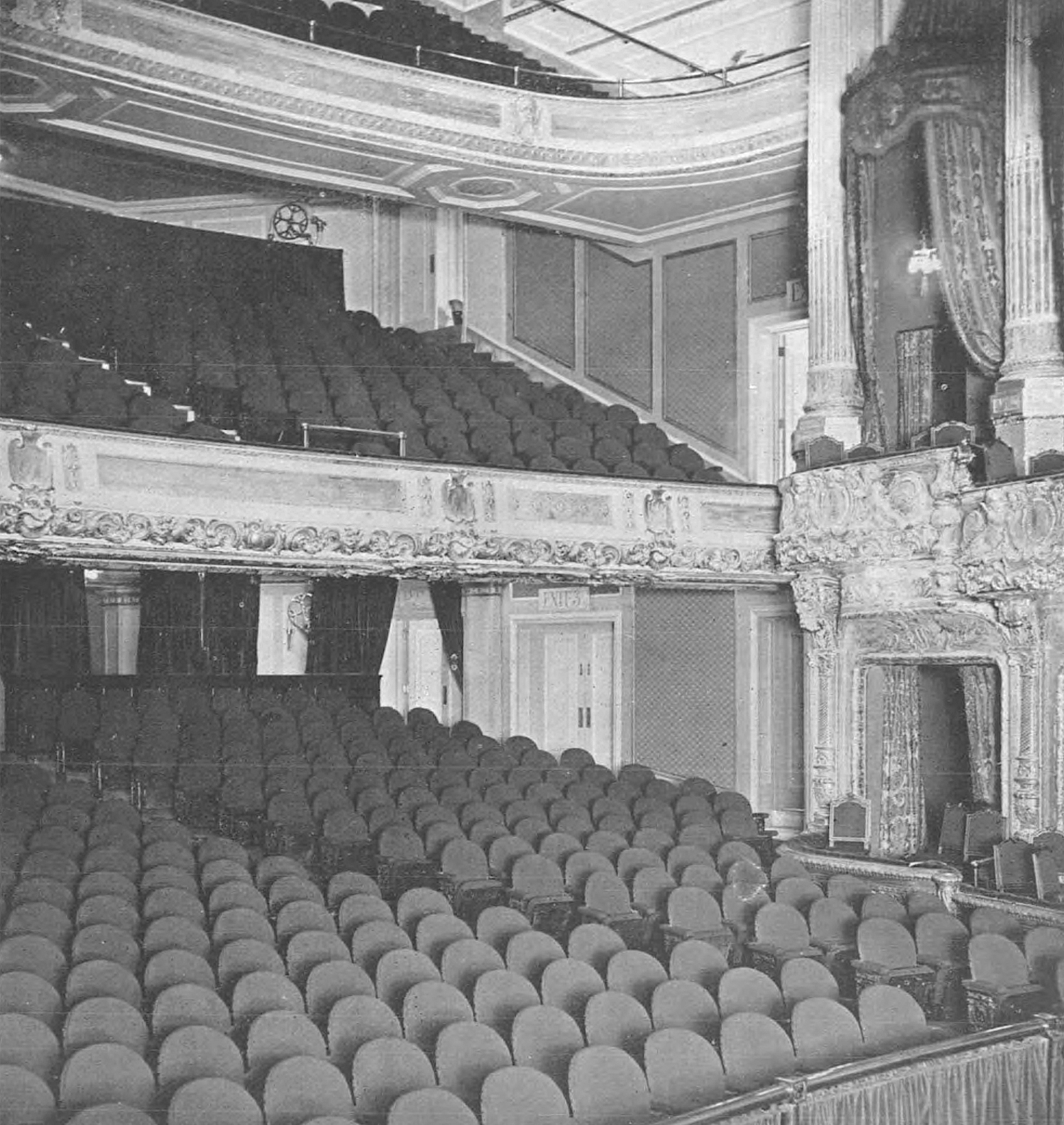
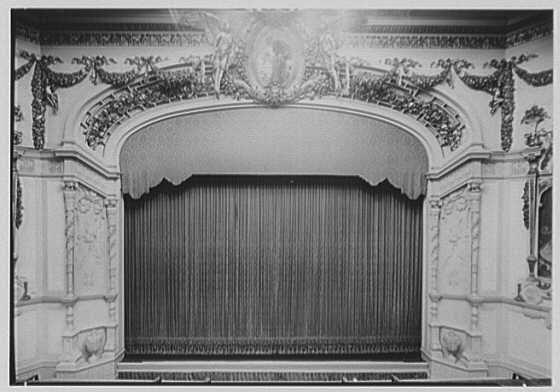
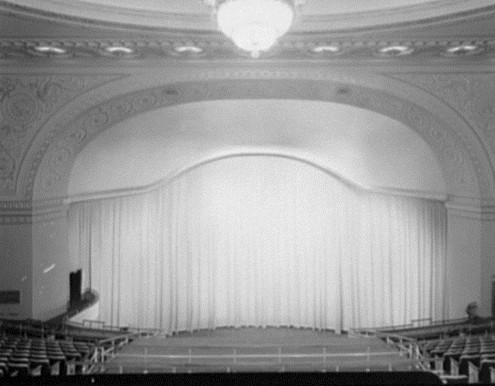
Most Broadway theatres were built in the early 1900s, before any electric sound reinforcement existed, and through the Golden Age directors and producers relied on architectural acoustics to carry voices to the balcony. A University of Central Florida study of the period's sound practice describes reinforcement as virtually unchanged from antiquity until the 1960s, with early attempts at amplification in the 1940s giving dismal results.
What sound did exist in the theatre was mostly effects. Britannica's stagecraft entry notes that until the 1930s music came from musicians in the building and effects were made by hand during every performance; the expanding recording industry then produced the first sound-effects libraries. Thunder sheets and wind machines began giving way to electronic reproduction.
That was the gap Masque Sound filled. Founded in 1936 by three Broadway stagehands — Mac Landsman, Sam Saltzman and John Shearing, with Saltzman the electronics enthusiast — it began by supplying ringing telephones, radio broadcasts, off-stage noises, thunderstorms and the backstage paging systems that kept shows running. Lighting&Sound America's history of the company says plainly that in 1936 there was no sound reinforcement on Broadway and a dedicated sound designer was not yet imaginable. Sound Associates, Masque's long-running rival, opened in 1946.
Footlight microphones — hidden in the stage lip and aimed up at singers — are the earliest amplification the sources mention. A 1995 UPI feature says musicals experimented with them as early as the 1930s, and Chita Rivera, remembering the era before Abe Jacob, called them her first knowledge of sound design. None of the sources consulted here dates a specific show or names who first tried them, so this archive does not name a first.
Sources, summarised in our own words: “The forging of modern Broadway sound design techniques amid the fires of the rock musicals in the late 1960s and 1970s”, Timothy Tracey, University of Central Florida master's thesis, 2015; “Stagecraft: sound design, acoustics, amplification”, Encyclopaedia Britannica; “Masque Sound's Diamond Jubilee”, Lighting&Sound America, March 2012; “Our History”, Masque Sound; “Body mikes — how to succeed on Broadway”, UPI, 7 March 1995; “What Is Sound Design, and Why Did It Lose Its Tony?”, Playbill, 24 May 2016.
1940s–1950s
Shotgun mics, reel-to-reel and the supplier era
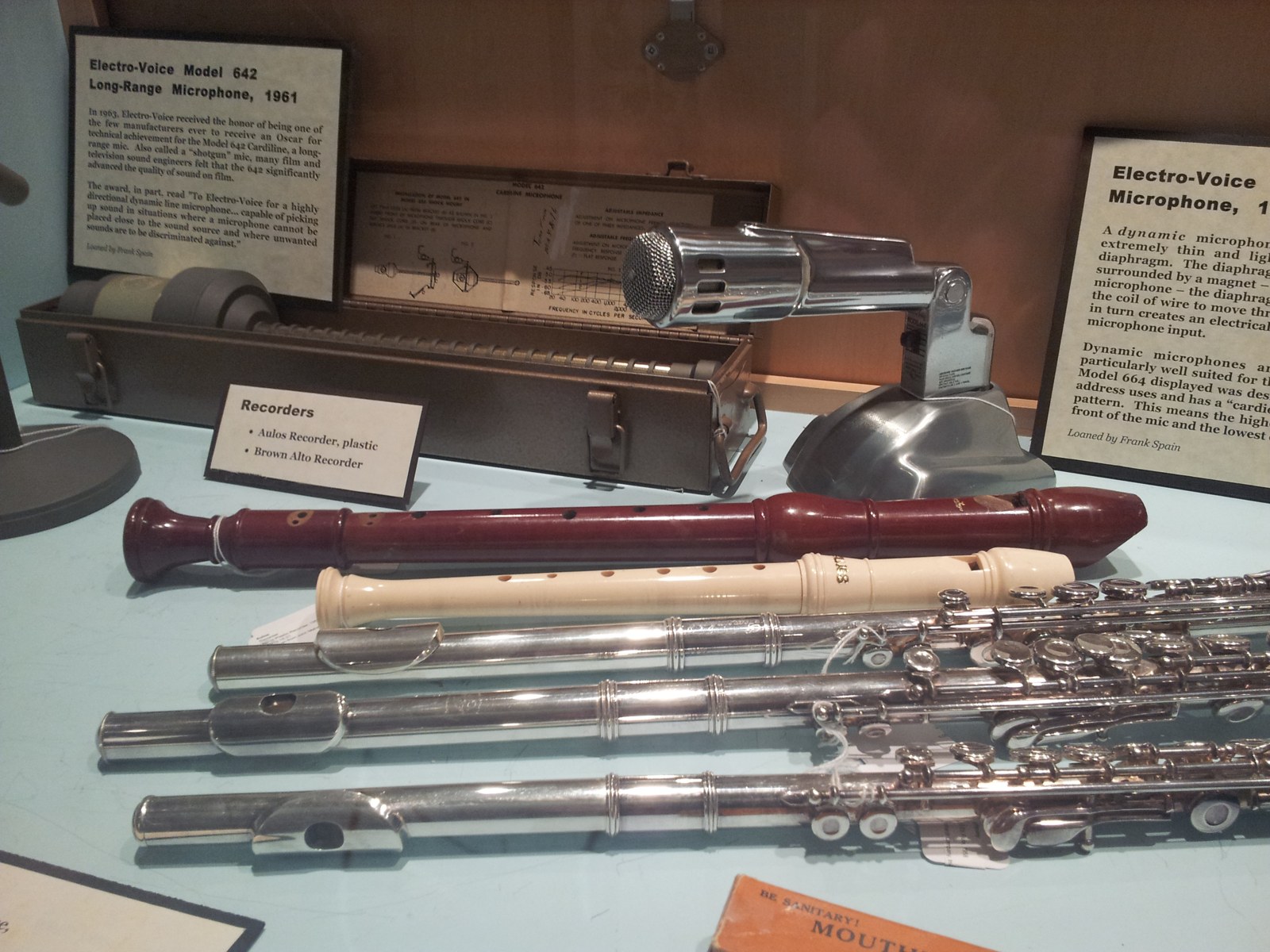
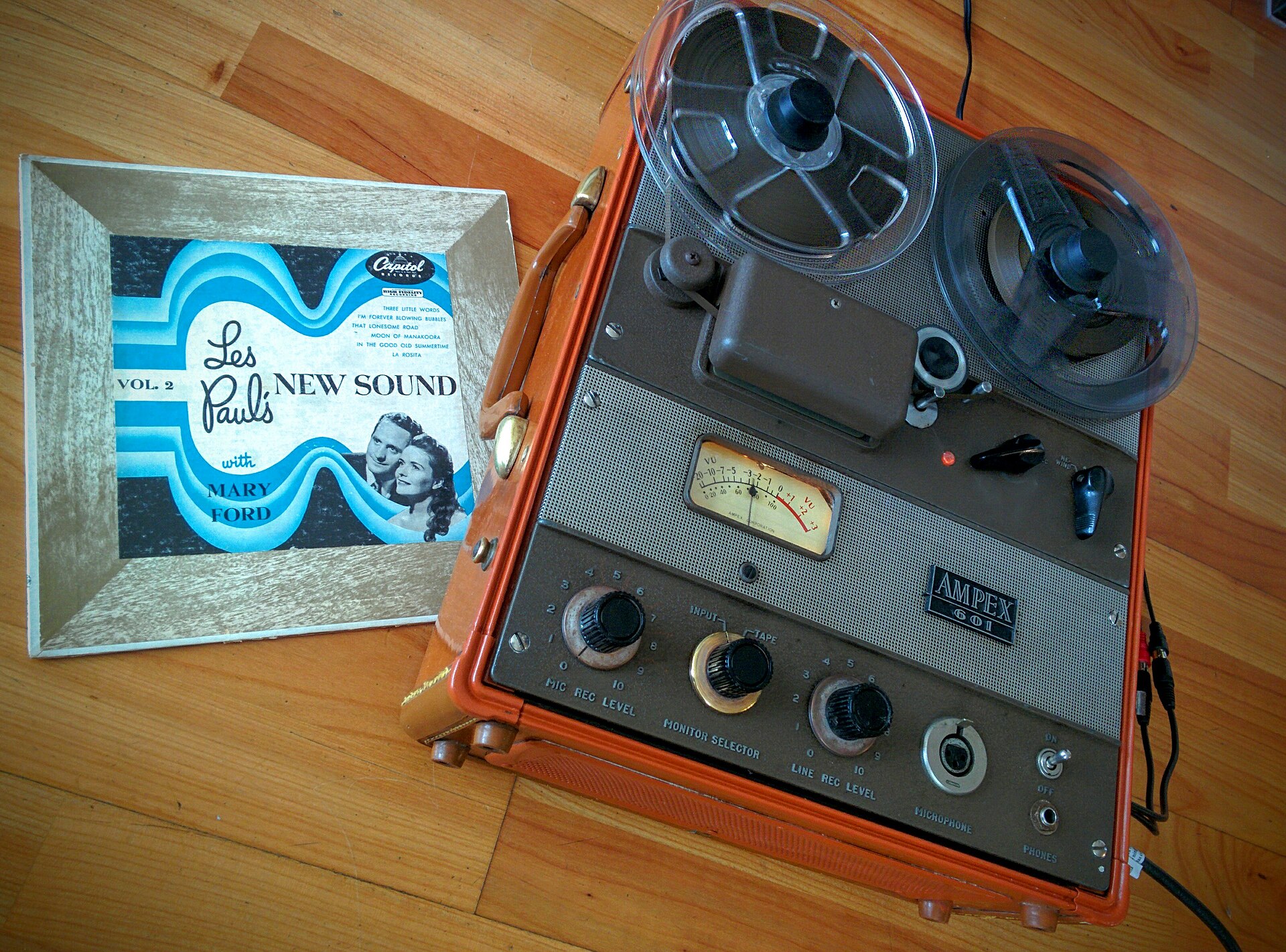
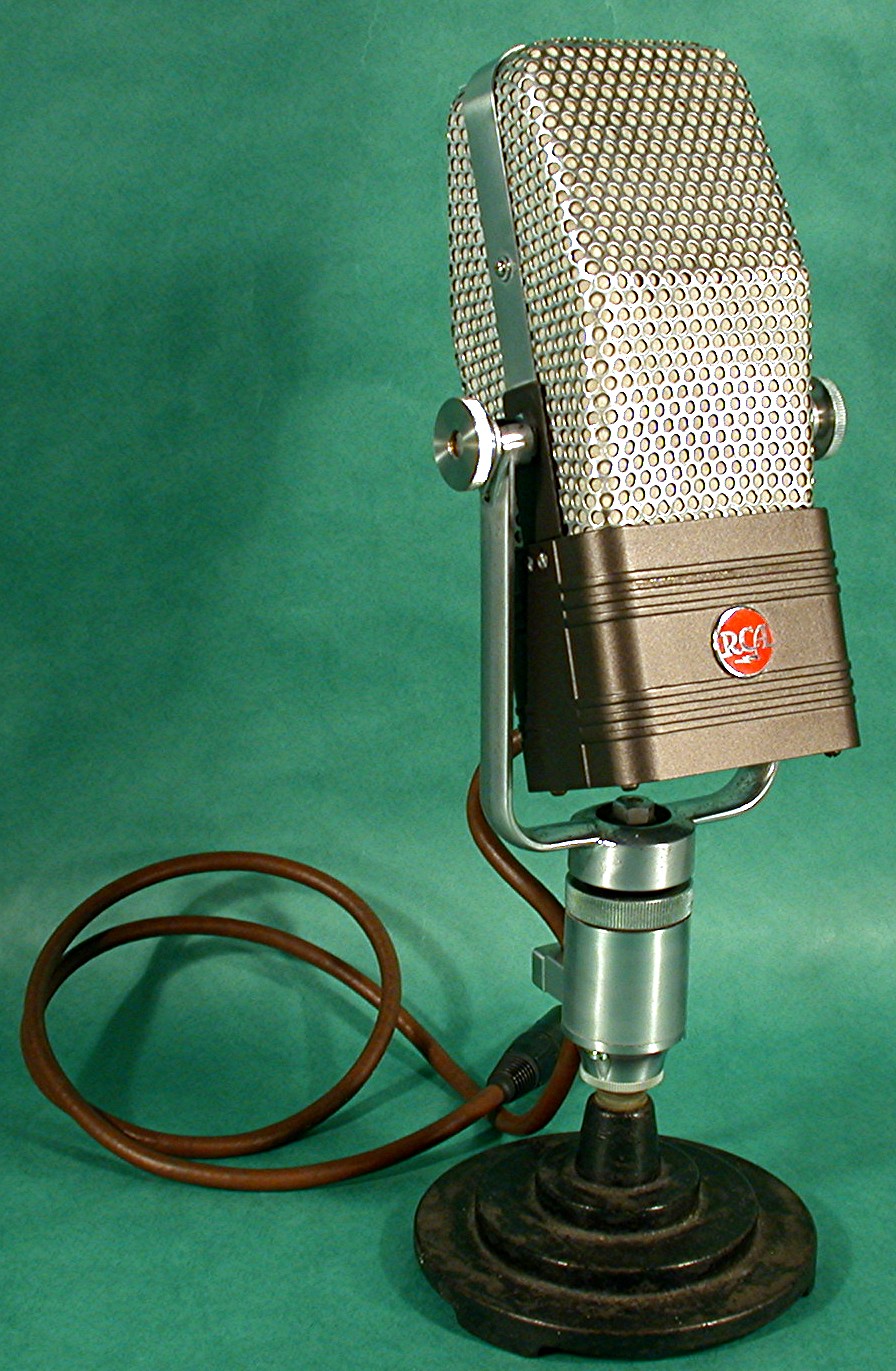
Through the 1940s and 1950s reinforcement for musicals slowly became standard practice, and the suppliers carried it. Lighting&Sound America says Masque was ready with the shotgun microphones and oversized loudspeakers of the day, and Masque's own history lists the original Oklahoma! and South Pacific among its early clients. The sources do not say how much of either show was actually reinforced, so those titles show who supplied Broadway, not how loud it was.
Variety's 2011 profile of the company adds the technical shape of the decade: reel-to-reel tape became prominent in the 1950s, which let effects and music cues be recorded and replayed rather than made live, and the decade also saw early experiments with wireless microphones. Wireless would not reach everyday Broadway use for years, but the supply companies were already testing it.
The same article credits the next two decades with the major expansion of Broadway sound, naming Jack Mann, Abe Jacob and, a little later, Otts Munderloh as pioneers who built systems remarkably sophisticated for the time. This is the hinge between the supplier-and-effects era and the designer era that follows.
Sources, summarised in our own words: “Masque Sound's Diamond Jubilee”, Lighting&Sound America, March 2012; “Masque Sound sticks around”, Variety, 15 October 2011; “Masque Sound Celebrates 70 Years”, Mix, 5 May 2006.
1964–1965
Funny Girl and the body microphone
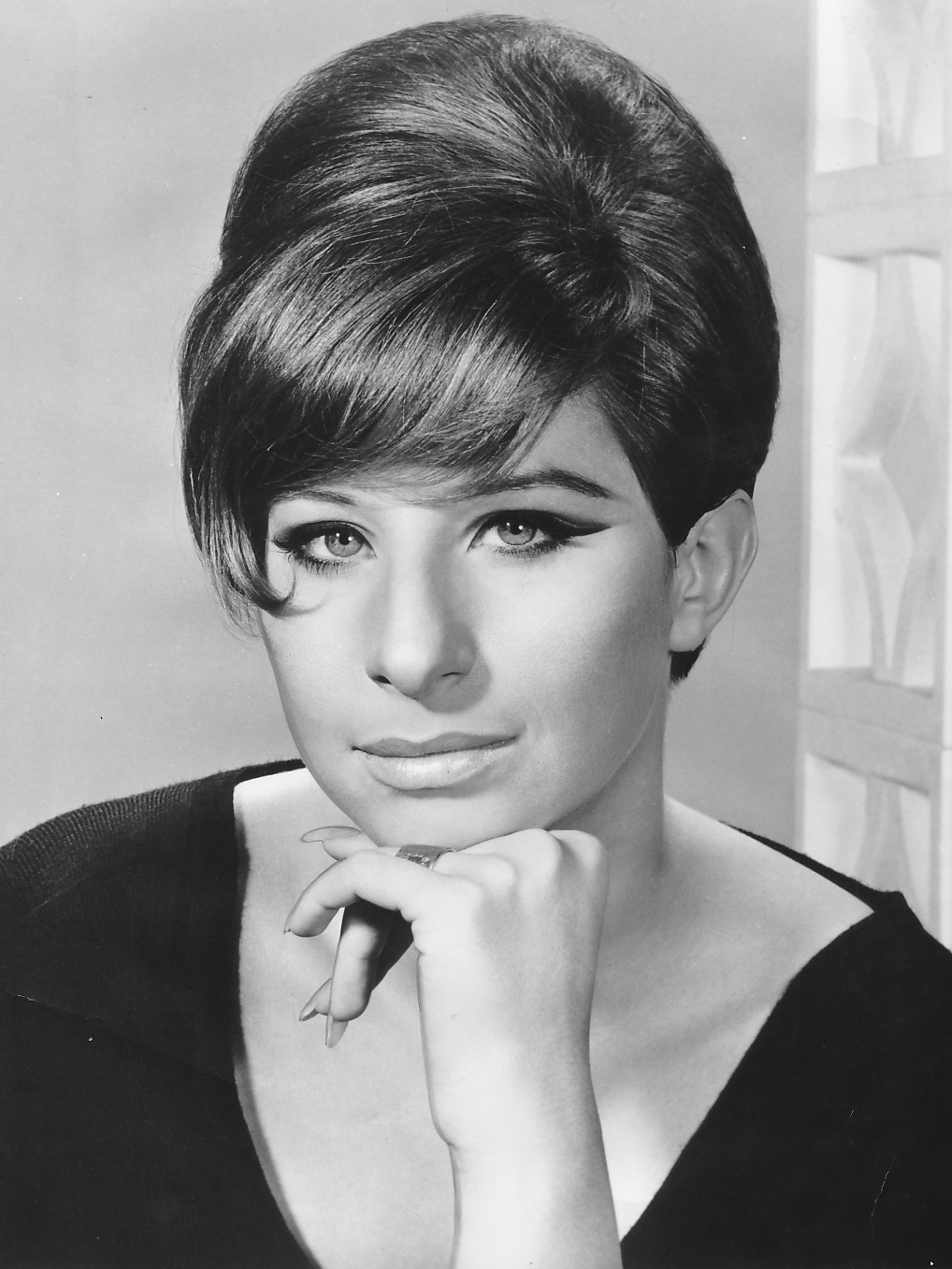
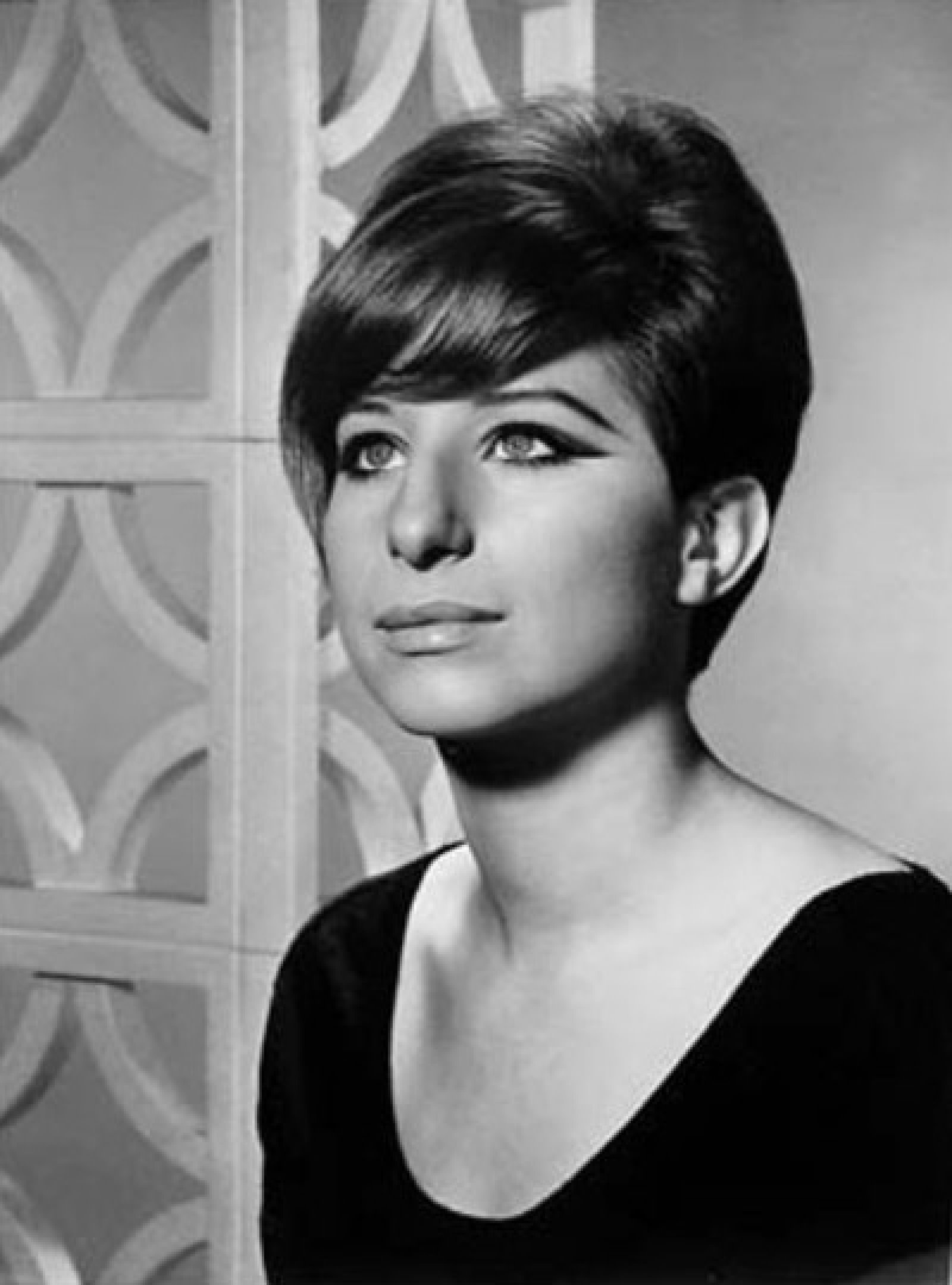
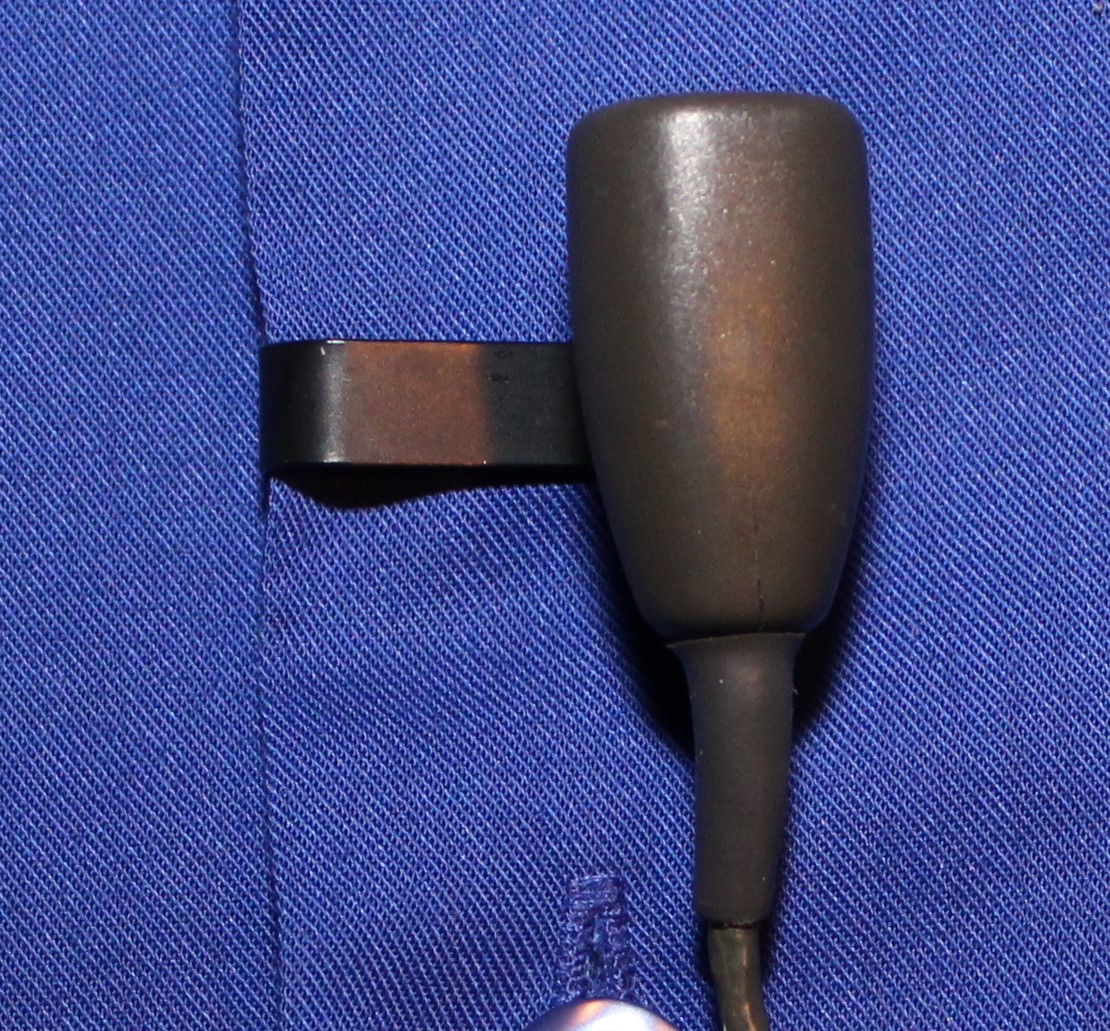
The decisive change for performers came in 1964. A UPI retrospective dates the arrival of body microphones on Broadway to Funny Girl, which opened with its cast miked, and notes that Golden Boy used miking six months later — after which, in its words, the die was cast. Funny Girl opened at the Winter Garden Theatre on 26 March 1964.
TheaterMania's critic recalled that the first time he heard a performer would be miked was at Funny Girl's Boston tryout, and that at a preview on 11 January 1964 Barbra Streisand's microphone picked up a police radio dispatch, to the audience's delight. A patron called out for her to turn the mike off; she did not. The story is the early technology in miniature: a wireless signal sharing the air with public-safety radio, a performer already relying on it, and an audience not yet sure how to feel about it.
Resistance followed. The 1995 UPI piece records the standing criticisms that miking depersonalises voices, pushes the band too loud and makes it hard to tell which character a voice comes from — complaints that have not gone away — but it also records the director Des McAnuff's counter: that miking let the spoken word be understood in the last row of the balcony, and that it was here to stay.
Sources, summarised in our own words: “Body mikes — how to succeed on Broadway”, UPI, 7 March 1995; “Mike It or Not”, TheaterMania, 17 May 2004; “Funny Girl Broadway tales from the show”, Barbra Archives.
1967–1975
The first designers: from supplier shops to credited sound design
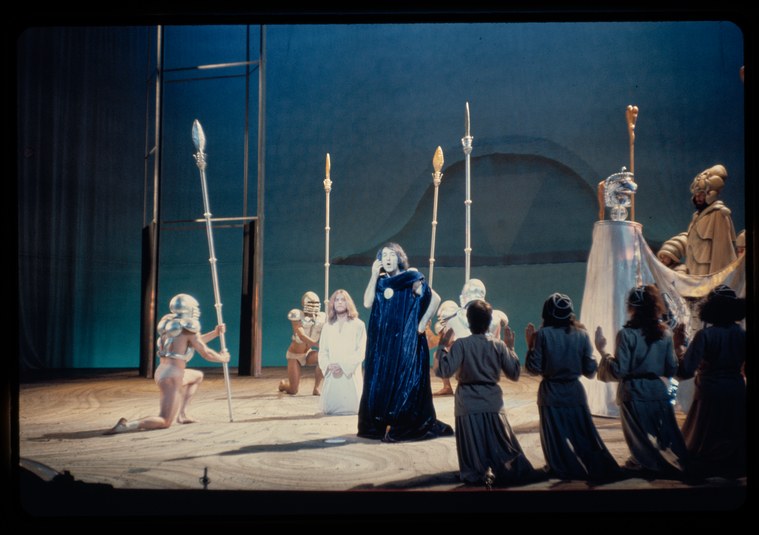
Lighting&Sound America credits Jack, the father of Masque's current president Geoff Shearing, as one of the original Broadway sound designers: his shows include The Great White Hope (1968) with James Earl Jones, the 1971 revival of No, No, Nanette, the Tony-winning Two Gentlemen of Verona (1971), Grease (1972), Seesaw (1973) staged by Michael Bennett, and Over Here! (1974), which brought the Andrews Sisters to Broadway. The same article notes that the Internet Broadway Database lists Masque as providing sound design as early as 1947, for An Inspector Calls — a reminder that the supplier shop and the designer were often the same people before credits caught up.
Hair, which opened at the Biltmore Theatre on 29 April 1968, shows how the credit lagged the work. The Internet Broadway Database lists Robert Kiernan as the sound designer of the original Broadway production, while Playbill reports that Abe Jacob re-designed it and was billed as sound consultant. A 2015 lecture announcement went further and said that before Hair there were no sound designers, only sound engineers and mixers; the supplier-era record above shows that is too neat, though it captures how new the idea of a designer on the creative team still was.
Jacob himself said that before he came to New York others were doing sound for theatre but were never credited on the title page or elsewhere as sound designers, and that this changed from Pippin, which Playbill dates to 1972. The grounds for the change are laid out in the University of Central Florida study: the integrated book musical, and then the rock musical, demanded more than a hall's acoustics could deliver, and Jacob's concert-touring experience together with advances from the recording industry produced a modern approach to Broadway sound design that, the author argues, helped revive a fading industry. For the equipment that followed — head-worn microphones, delay zones, a mix position in the house — see Abe Jacob's profile below, and see Otts Munderloh for the sound of Michael Bennett's A Chorus Line in 1975.
Sources, summarised in our own words: “Masque Sound's Diamond Jubilee”, Lighting&Sound America, March 2012; “Hair (original Broadway production) credits”, Internet Broadway Database; “What Is Sound Design, and Why Did It Lose Its Tony?”, Playbill, 24 May 2016; “Behind the Scenes with Broadway Sound Designer Abe Jacob”, Lighting&Sound America, 24 March 2015; “The forging of modern Broadway sound design techniques amid the fires of the rock musicals in the late 1960s and 1970s”, Timothy Tracey, University of Central Florida master's thesis, 2015.
Broadway & West End · Equipment evolution
Equipment remade for the theatre
Nothing was made for the theatre
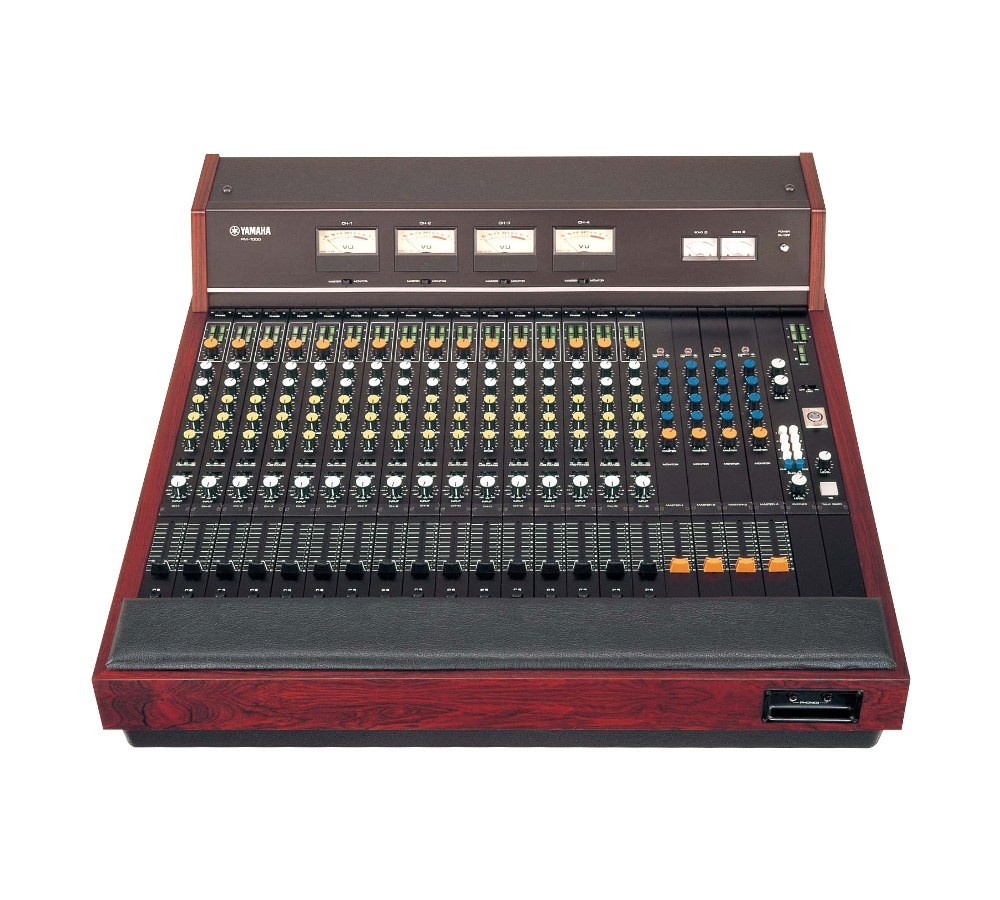
When Andrew Bruce co-founded Autograph in 1973, no manufacturer built anything for the theatre: not loudspeakers, not mixers, not radio microphones or miniature capsules, and only three radio-mic frequencies were legal in the UK. Every piece of equipment a designer needed had to be borrowed from broadcast, recording or concert work, then modified.
The company's first musical, A Chorus Line in 1976, ran on a console chosen by the designer Abe Jacob — a desk Autograph could afford only because the production guaranteed its income. That gap between what theatre needed and what anyone actually sold became the engine of thirty years of equipment development.
Source: “Theatre Sound: Towards Digital Mixing”, Andrew Bruce, Fast and Wide. Summarised in our own words.
Consoles built for one show
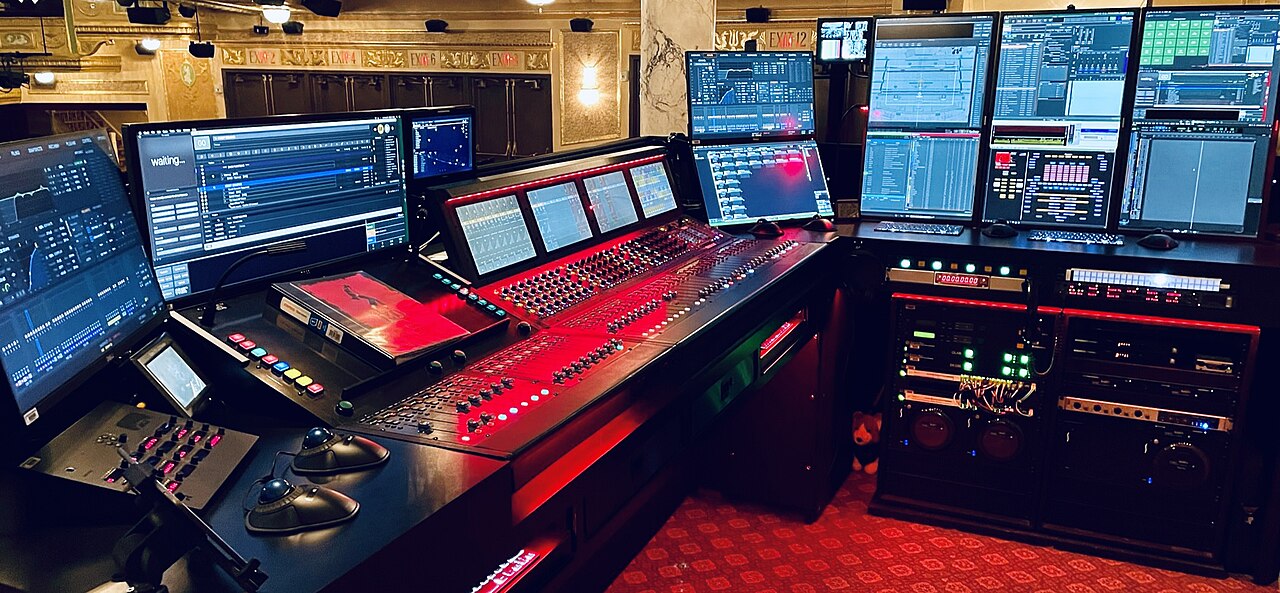
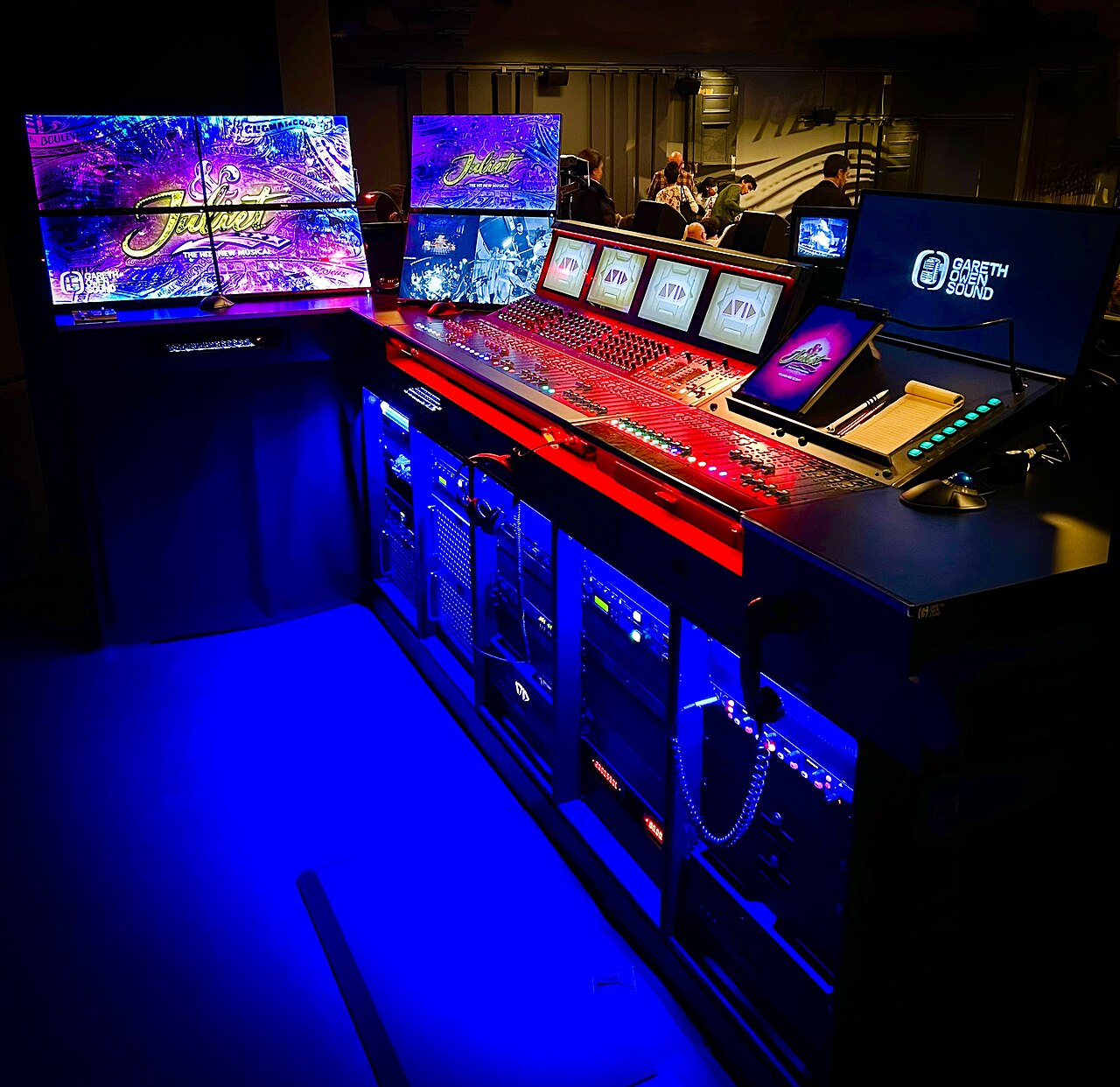
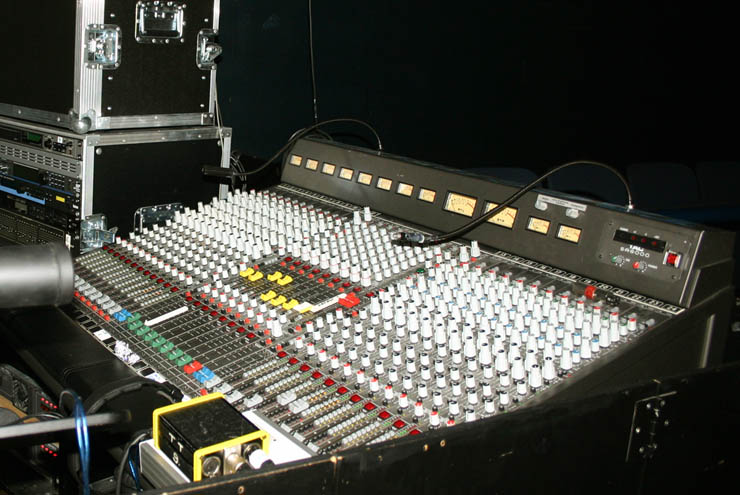
Cats in 1981 used a Midas TR console, originally designed for the National Theatre, which had an output matrix. For Little Shop of Horrors, where no more than four seats could be lost, Cadac's Clive Green designed and built a compact console in four weeks.
Starlight Express in 1983 got a one-off console, with a vocal section and a separate orchestral section, plus a basic computer that remembered which channels belonged to the central VCA section in each cue. The show ran 21 years and the computer, a bare card with wires, failed once.
Autograph and Cadac then built standard hire consoles: the manual A-Type, the E-Type with VCAs and programmable control groups, and the automated J-Type. The A-Type on Les Misérables at the Palace ran eight shows a week for about 15 years before a J-Type replaced it.
Source: “Theatre Sound: Towards Digital Mixing”, Andrew Bruce, Fast and Wide. Summarised in our own words.
Radio microphones move to the hairline
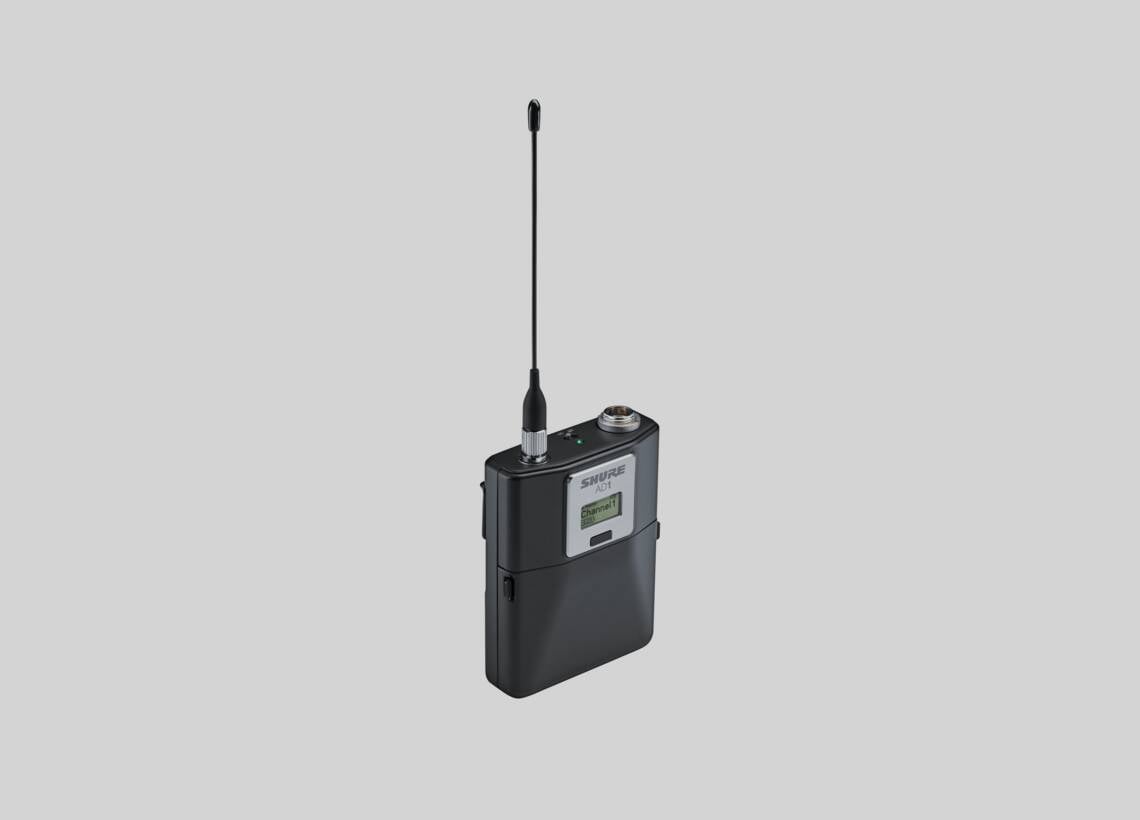
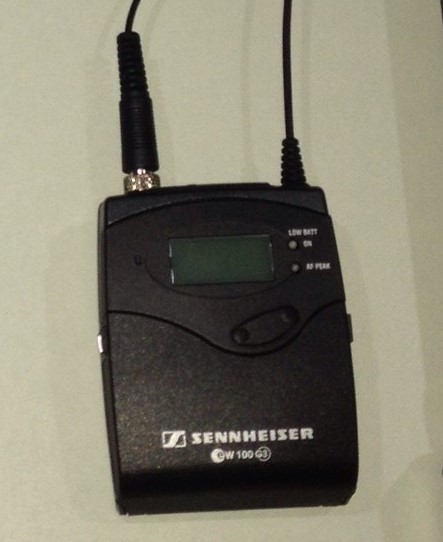
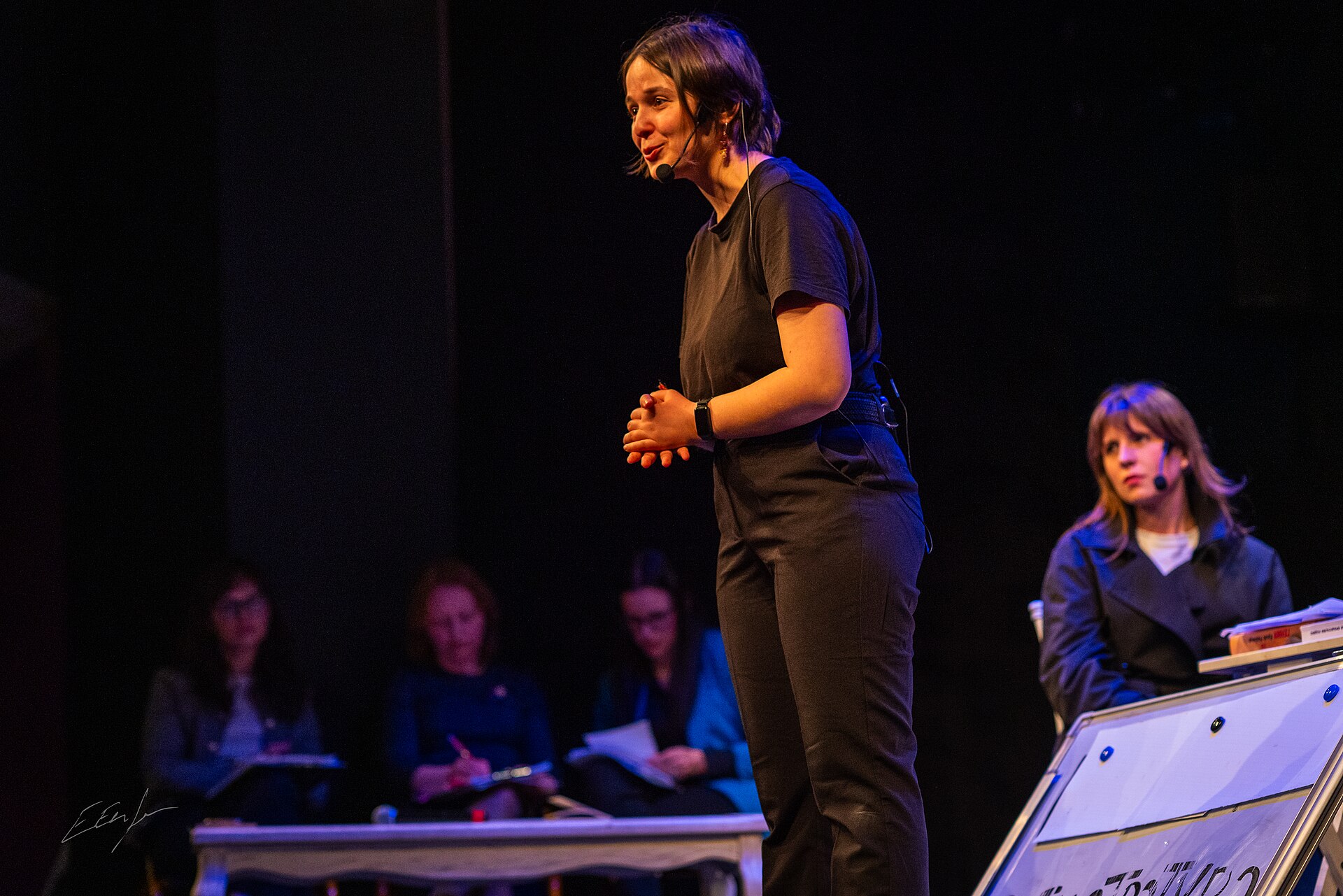
Theatre adopted the wireless microphone early, but it was microphone placement that made the format work on stage: tiny omnidirectional capsules worn on the forehead or in the hairline rather than on the chest, so a singer does not go off-mic when turning their head. Bruce calls it a compromise — placement depends on the performer's face and hair, and capsules move during a performance.
The hardware dictated how the equipment around it had to work. With perhaps 35 to 50 performers on a small stage, all wearing omni mics close to the PA and to foldback, every unused microphone must be kept closed, even between lines — the discipline of line-by-line mixing exists because of the capsules, not the other way round.
Two singers close together cause comb filtering when their mics are summed. The basic remedy is to dip one mic, usually the stronger singer's, and bring it back as they move; Bruce notes this depends on the operator watching the stage and cannot be automated. Demands like these shaped what theatre consoles needed: fast mute groups, VCAs and, eventually, per-actor processing recall.
Source: “Staging a Musical: The Sound Perspective”, Andrew Bruce, Fast and Wide. Summarised in our own words.
The orchestra pit: sixty channels in six feet
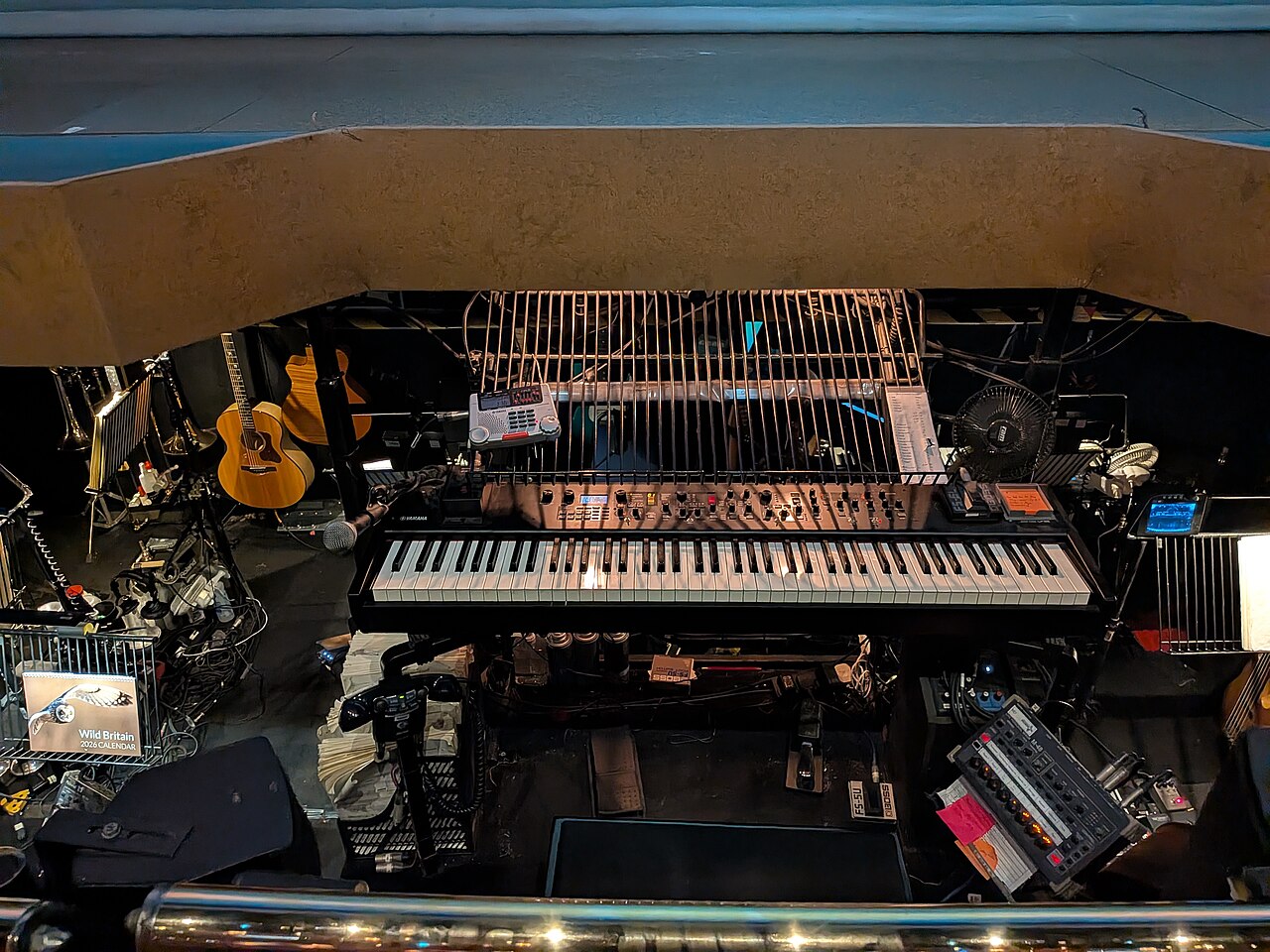
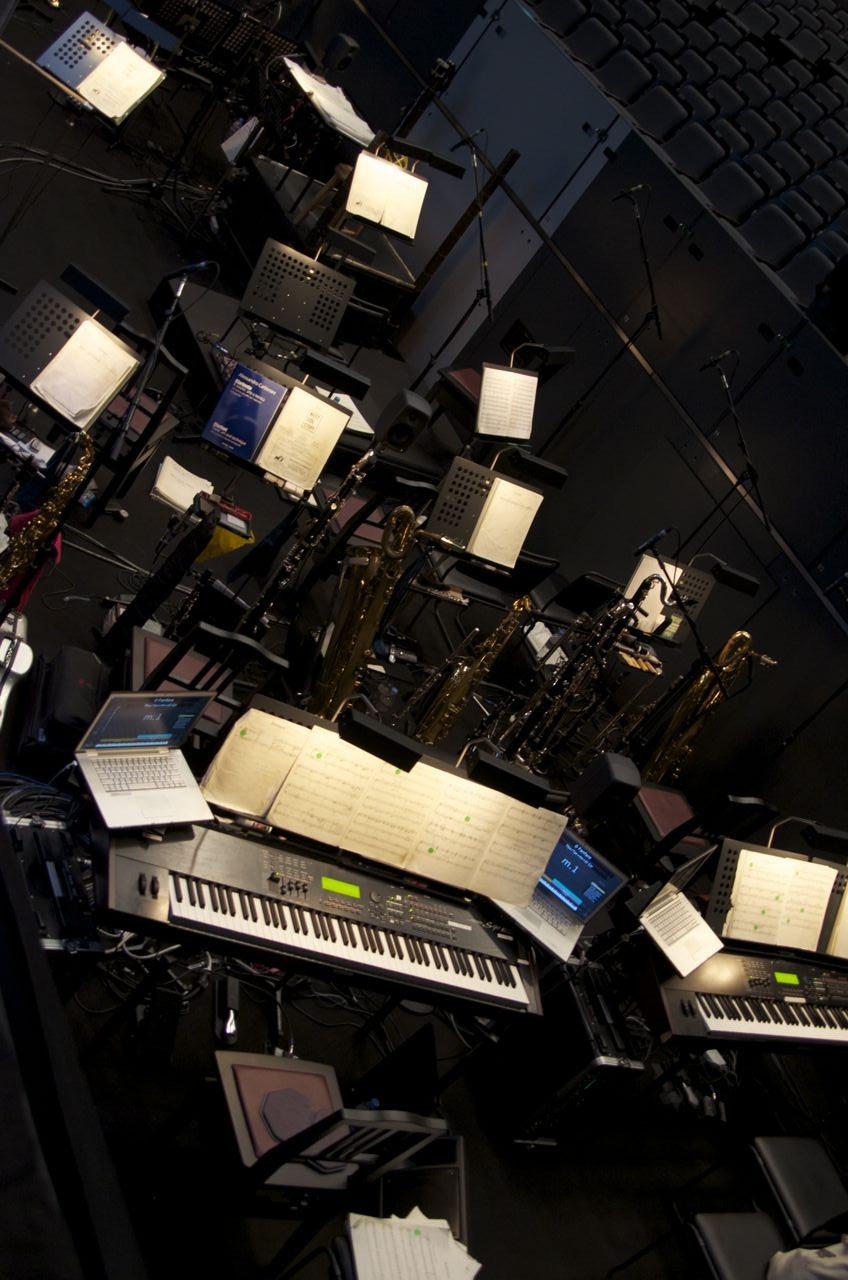
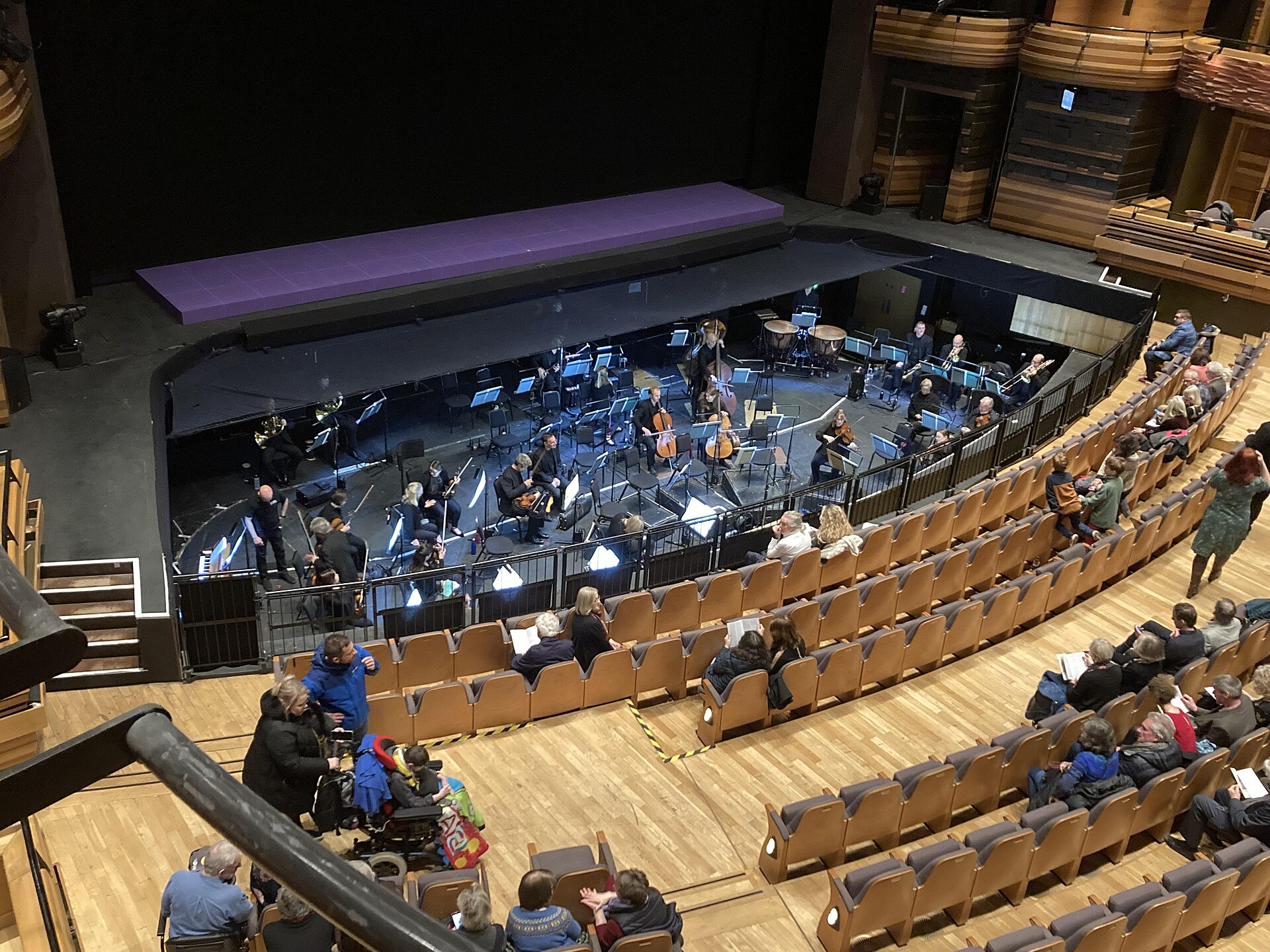
Historic theatres have cramped pits, so microphones sit very close to instruments, sections cannot hear each other naturally, and foldback is needed everywhere, adding to spill. Sixty or more orchestra channels may need EQ and monitor mixes at once — a channel count and a monitoring load that few concert desks of the day were built to carry.
The house mix is ultimately anchored to the level of a lightly reinforced live voice, so the orchestra balance is set around the singers rather than the other way round. Pits like these, more than rock stages, set the specification theatre consoles had to meet: huge input counts, dedicated monitor sends and generous output matrices.
Source: “Staging a Musical: The Sound Perspective”, Andrew Bruce, Fast and Wide. Summarised in our own words.
Loudspeakers small enough for a proscenium
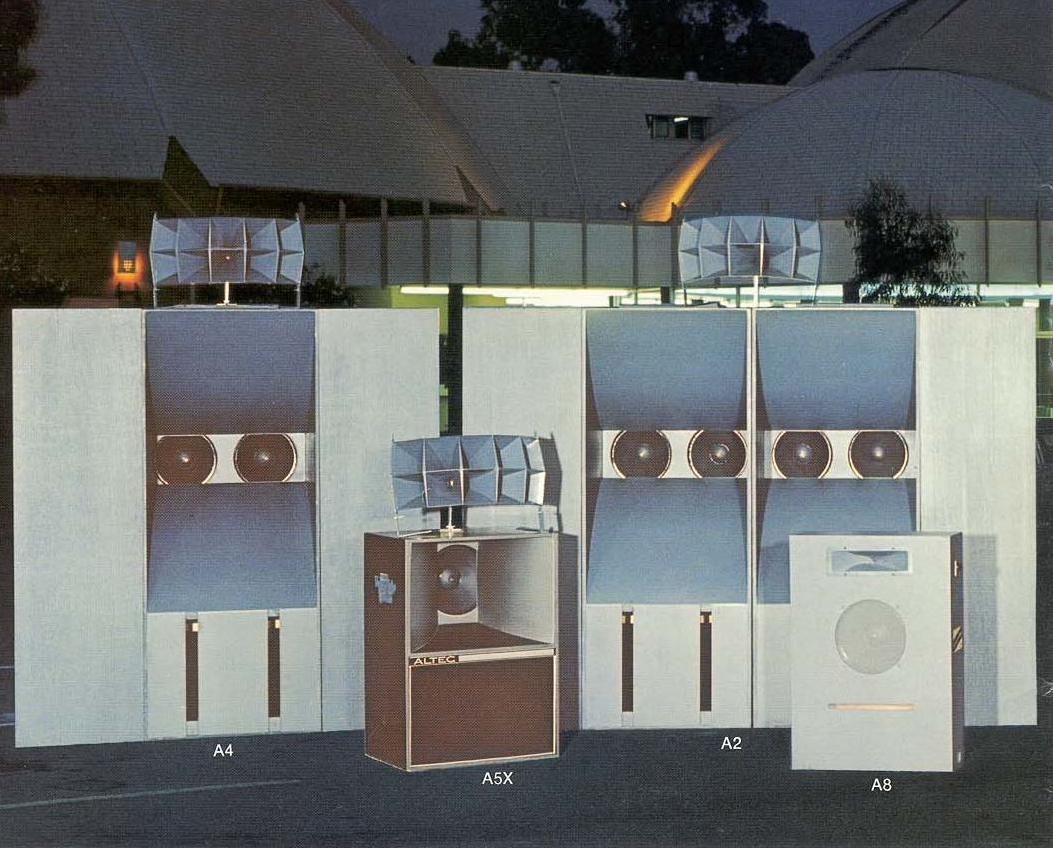
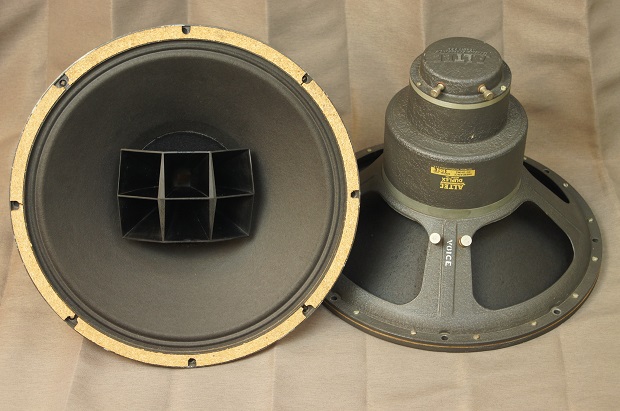
In the late 1970s theatre systems were built from three kinds of loudspeaker: single passive boxes, stacked separates such as the Altec A7 (a bass cabinet topped by a multicellular horn, found in almost every old theatre and cinema), and Bozak columns, whose narrow vertical coverage let them sit low and skim sound across the stalls and balconies.
Broadway designer Abe Jacob, often called the godfather of theatre sound, wanted speakers small enough to hide and clean enough for speech. Meyer Sound's UM-1 stage monitor had the intelligibility but very tight coverage, so Jacob pushed for a wider-coverage sibling: the UPA, released in 1980. Each Meyer box came with matched electronics and presets, so it sounded the same from show to show and continent to continent, unlike older systems that had to be re-tuned and often partly failed.
Jacob used UM-1s for voices and UPAs for the orchestra, and took the UPA-1 to the West End in 1981 on Cats. Bruce says it suited Victorian theatres whose small proscenium arches left no room for traditional loudspeakers.
Through the 1980s Meyer, EAW and Apogee supplied most theatre point-source speakers. Around 2000 mid-size line arrays took over for musicals; L-Acoustics V-DOSC was used on Broadway's Mamma Mia! in 2001. Meyer, d&b audiotechnik and L-Acoustics became the main column and line-array suppliers, and systems such as Meyer's Constellation, used on Wicked, began electronically reshaping a room's acoustics.
Source: “Theatrical Address: Loudspeakers for Theatre”, Fast and Wide, with Gary Stocker, Bob McCarthy, Andrew Bruce and Chris Headlam, Fast and Wide. Summarised in our own words.
The false start of digital
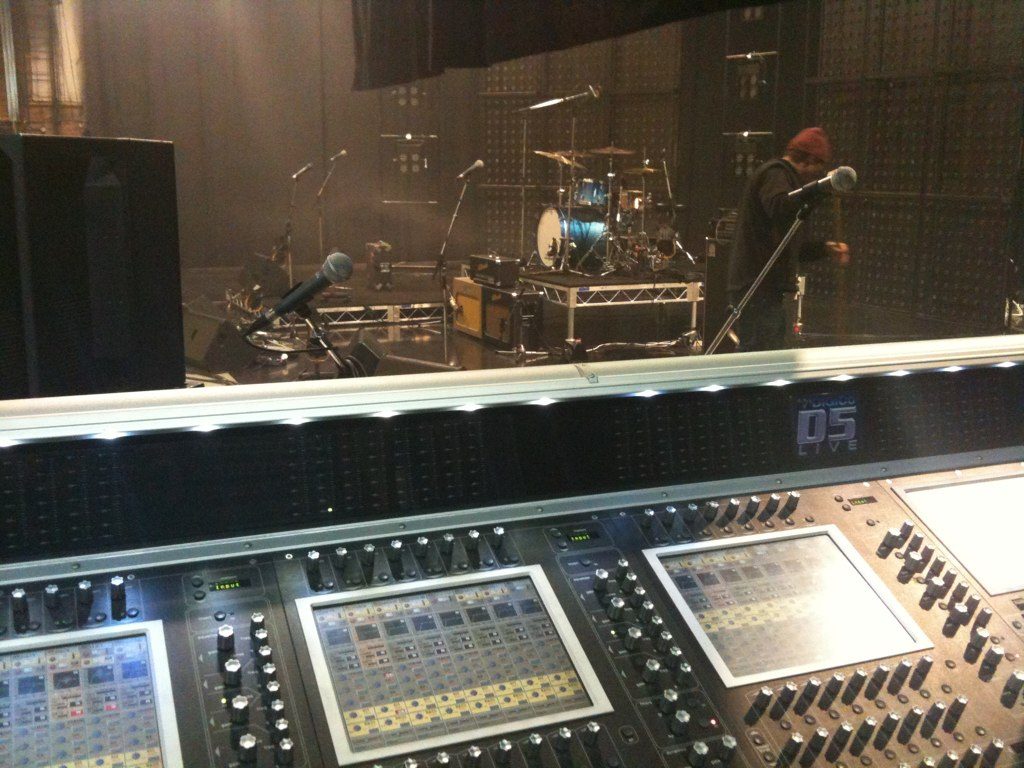
Producers, Cameron Mackintosh above all, complained about the seats lost to large analogue desks. Early digital consoles were rejected for missing features and their sound. After two years of design work with Bruce, Soundcraft's Broadway console was installed on Martin Guerre in 1996 beside a Cadac J-Type, but the networking of the day could not handle the data. It crashed so often that the show switched to the Cadac almost at once, and Harman later cancelled the project.
A Cadac digital project followed. Then at the 2002 Plasa show in London, Bruce, sent by designer Bobby Aitken, saw DiGiCo's new D5 Live and asked managing director James Gordon whether they had considered theatre.
Source: “Theatre Sound: Towards Digital Mixing”, Andrew Bruce, Fast and Wide. Summarised in our own words.
DiGiCo builds the theatre console
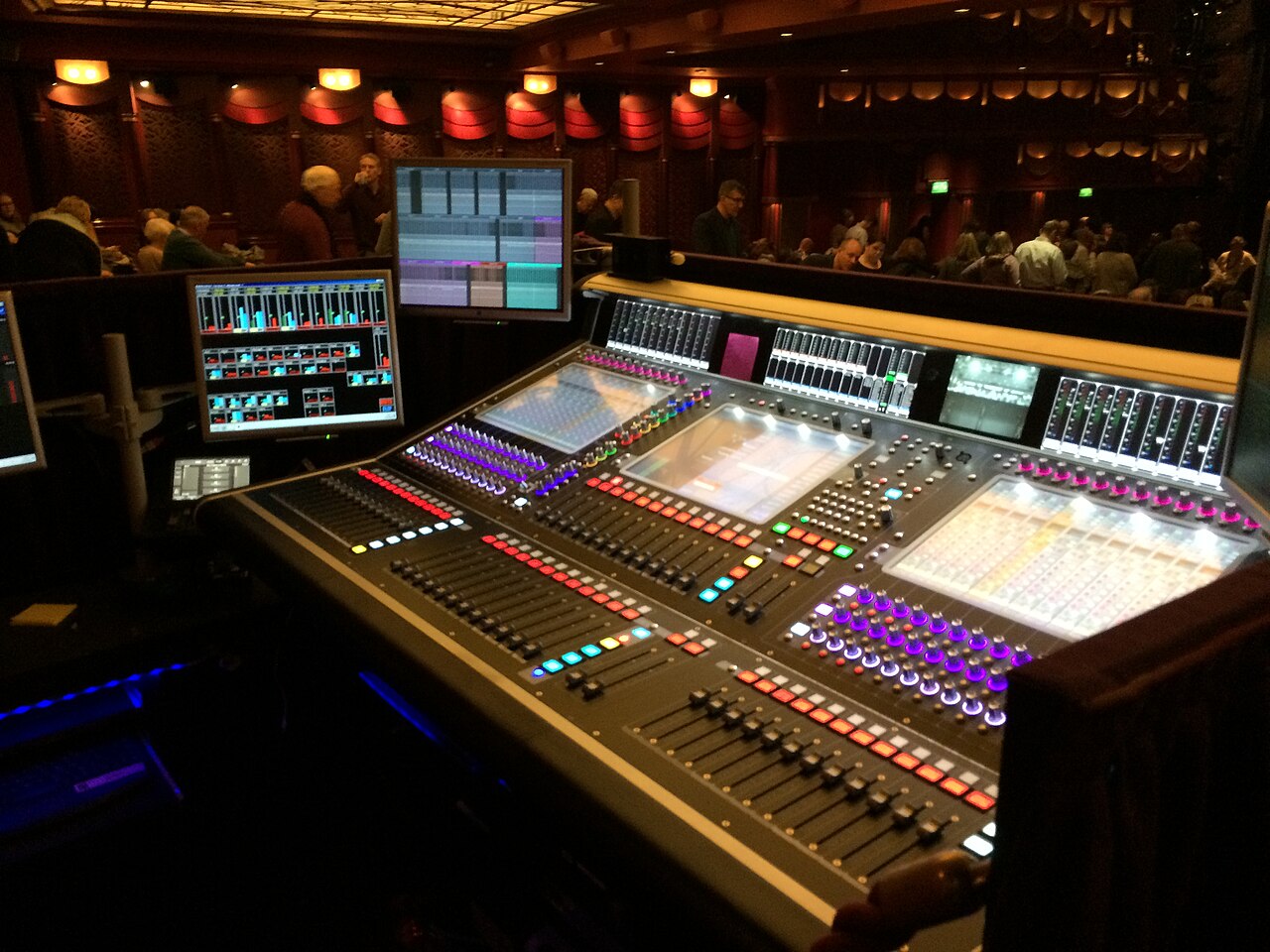
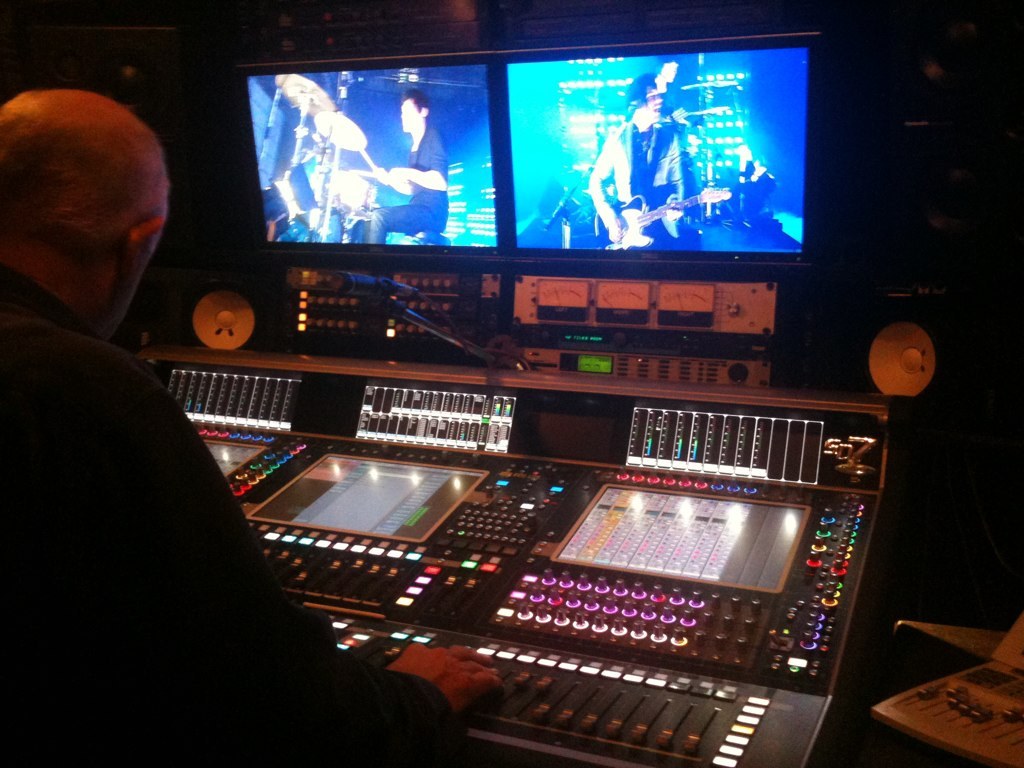
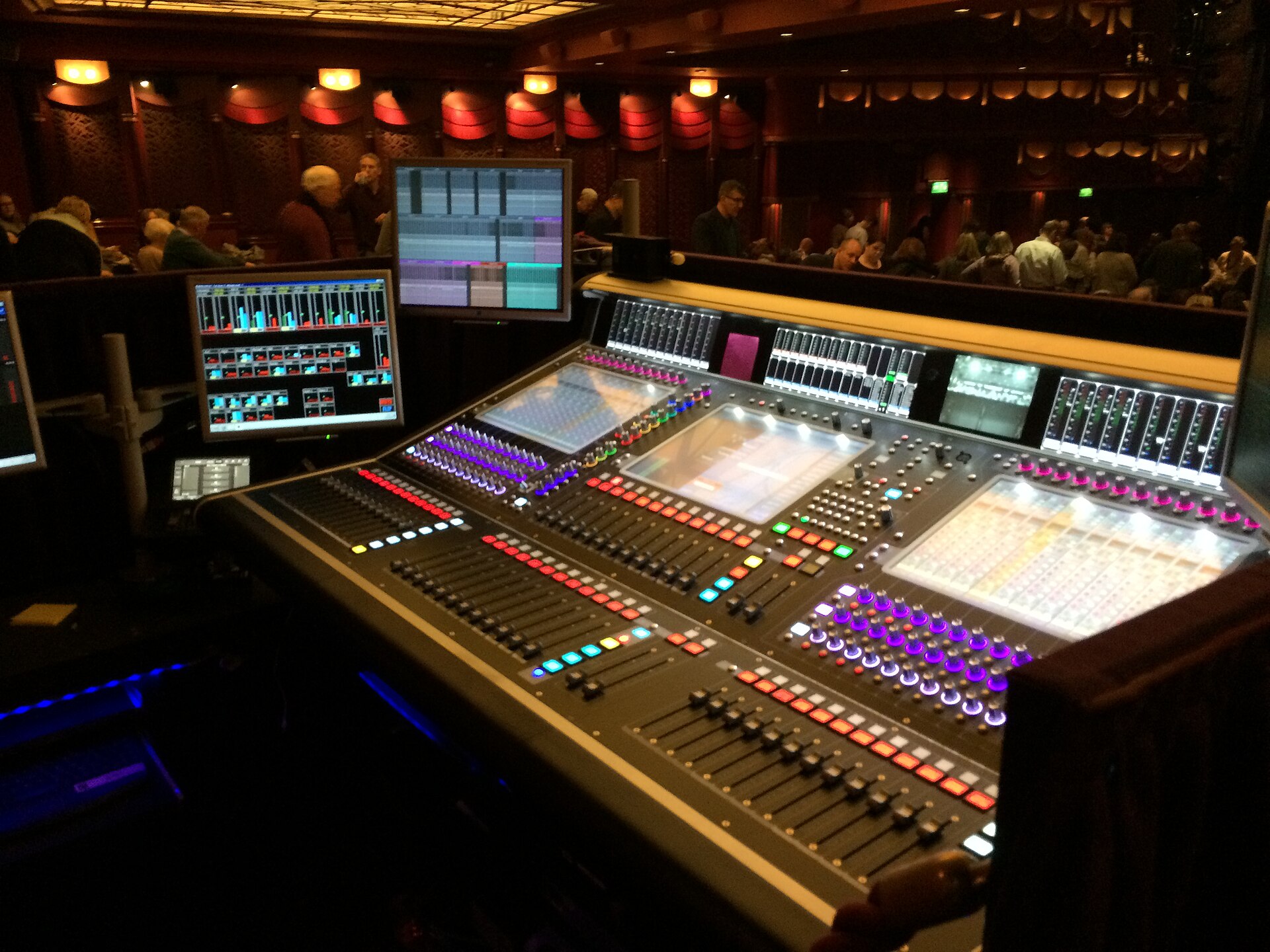
DiGiCo's engineers were shocked by line-by-line mixing when Bruce took them to West End shows. A digital surface could gather the channels an operator needs under their hands and hide the rest, shrinking the desk and returning seats to the box office.
The theatre software (D5T) added the features the previous decades of custom desks had been built by hand to provide: Aliases for hats, and, at Bruce's request, 'players' — stored settings for every actor in a role, including understudies and replacements years later, recallable mid-show so a substitute sounds as good as last time. Bruce says no other maker offered either.
Its debut came when Les Misérables moved from the Palace, where it had run on a Cadac A-Type for 19 years, to the smaller Queen's Theatre. On the first preview day DiGiCo shipped two software fixes, and the preview ran without problems.
On the D5 the theatre features were bolted onto existing software. The SD7 built them in, allowing a networked workstation to edit the show during a performance, including spreadsheet-style assignment of performers and hat aliases to cues, an idea carried over from Cadac's SAM automation. Bruce's team also pushed for the cue list to stay visible while the script trolley sits in front of the operator.
Source: “Andrew Bruce: The Musical”, Fast and Wide, interviewing Andrew Bruce, Fast and Wide. Summarised in our own words.
The people behind the sound
Generations of Broadway sound designers
The equipment changed because designers demanded it. From the early credited Broadway sound designers to today's Tony winners, each generation learned from the last and pushed the gear further.
Who is included: designers with at least five Broadway credits, or a significant award such as the Tony for sound design. Every Tony winner since the category began in 2008 is listed at the end of this section.
Who trained whom
A family tree of Broadway sound designers
Broadway sound design has never had a single school. It is passed on through assistants, associates and production engineers who learn on someone else's show and later design their own. Each link below is drawn only where a named source describes the working relationship and the shows involved; where a source says something weaker, the link is labelled as influence rather than apprenticeship.
From the London megamusicals to The Lion King and Kinky Boots
A line that runs from the recording-studio engineers who built the 1980s British musicals, through the production engineers who ran their systems, to the associates who later designed for themselves.
Martin Levan
Designer of Cats, Starlight Express, Song and Dance and The Phantom of the Opera on Broadway
Martin Levan — designer portrait·BroadwayWorld headshot database; photographer not credited·Copyright retained by original rights holder; editorial identification and historical commentary (fair use), no unrestricted reuse licence
Production engineer
Production engineer on shows Levan designed: Cats, Starlight Express, Song & Dance, The Phantom of the Opera, Carrie and Aspects of Love
Sources: LADY DAY's Steve Canyon Kennedy Wins Best Sound Design of a Play Tony, BroadwayWorld, 2014; Martin Levan credits, Internet Broadway Database
Steve Canyon Kennedy
Production engineer, then designer of The Lion King, Hairspray and Jersey Boys; Tony winner for Lady Day at Emerson's Bar & Grill (2014)
Steve Canyon Kennedy — designer portrait·BroadwayWorld headshot database; photographer not credited·Copyright retained by original rights holder; editorial identification and historical commentary (fair use), no unrestricted reuse licence
Associate designer
Associate on Kennedy-designed shows
Sources: John Shivers bio, BroadwayWorld; Steve Canyon Kennedy credits, Internet Broadway Database
John Shivers
Associate sound designer on shows including Mary Poppins, Hairspray, The Producers, Aida, The Lion King, Titanic and The Who's Tommy; Tony winner for Kinky Boots (2013)
John Shivers — designer portrait·BroadwayWorld headshot database; photographer not credited·Copyright retained by original rights holder; editorial identification and historical commentary (fair use), no unrestricted reuse licence
Tony Meola's workshop
Meola's Broadway shows were the training ground for the designer who later made digital consoles and networked audio routine in the theatre.
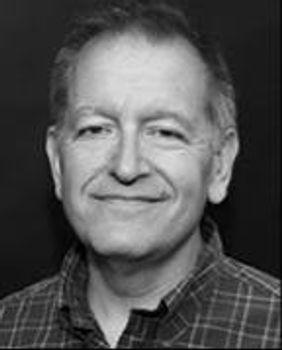
Tony Meola
Designer of Smokey Joe's Cafe, Footloose, The Lion King and Wicked
Tony Meola — designer portrait·BroadwayWorld headshot database; photographer not credited·Copyright retained by original rights holder; editorial identification and historical commentary (fair use), no unrestricted reuse licence
Assistant / associate
About fifteen years as Meola's assistant and associate, including Wicked and The Lion King
Sources: #86 Kai Harada, in 1: the podcast, 2019; Tony Meola credits, BroadwayWorld
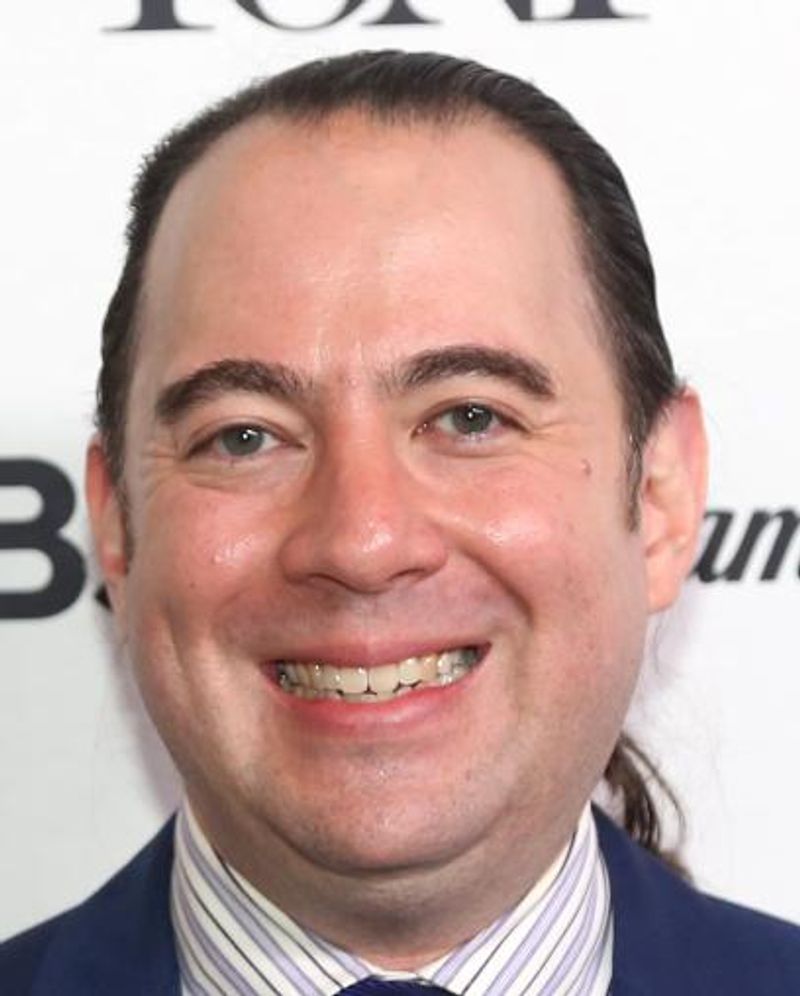
Kai Harada
Designer of Follies at the Kennedy Center, Fun Home and The Band's Visit; Tony winner in 2018 and 2026
Kai Harada — designer portrait·BroadwayWorld headshot database; photographer not credited·Copyright retained by original rights holder; editorial identification and historical commentary (fair use), no unrestricted reuse licence
Brian Ronan's associates
A modern example of the whole path in one place: concert-venue engineer, backstage audio on a rock musical, years as associate, then designer.
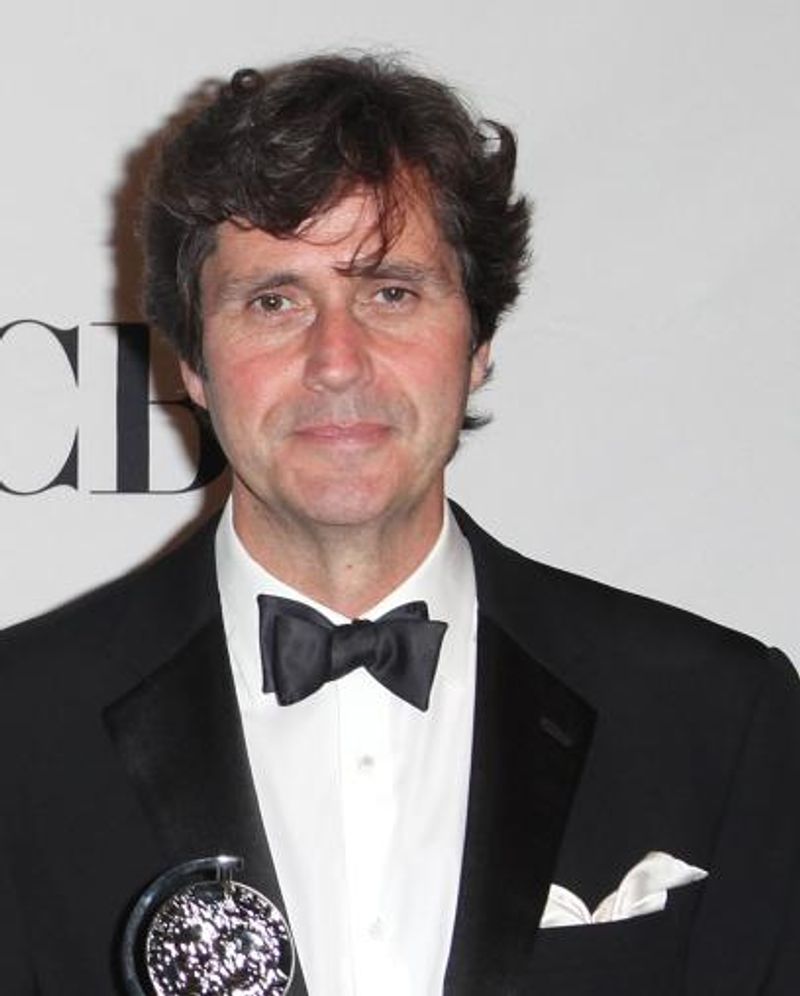
Brian Ronan
Designer of American Idiot, The Book of Mormon, Beautiful, Mean Girls and Springsteen on Broadway; Tony winner in 2011 and 2014
Brian Ronan — designer portrait·BroadwayWorld headshot database; photographer not credited·Copyright retained by original rights holder; editorial identification and historical commentary (fair use), no unrestricted reuse licence
Mentor
Met Ronan while working concert sound at Terminal 5; joined him on American Idiot in 2010, then spent years as his associate
Sources: Cody Spencer: Making Art and a Career out of the Creative Power of Sound, L-Acoustics, 2025; The Artisans of Sound: Cody Spencer, L-Acoustics, 2026; Cody Spencer credits, Internet Broadway Database
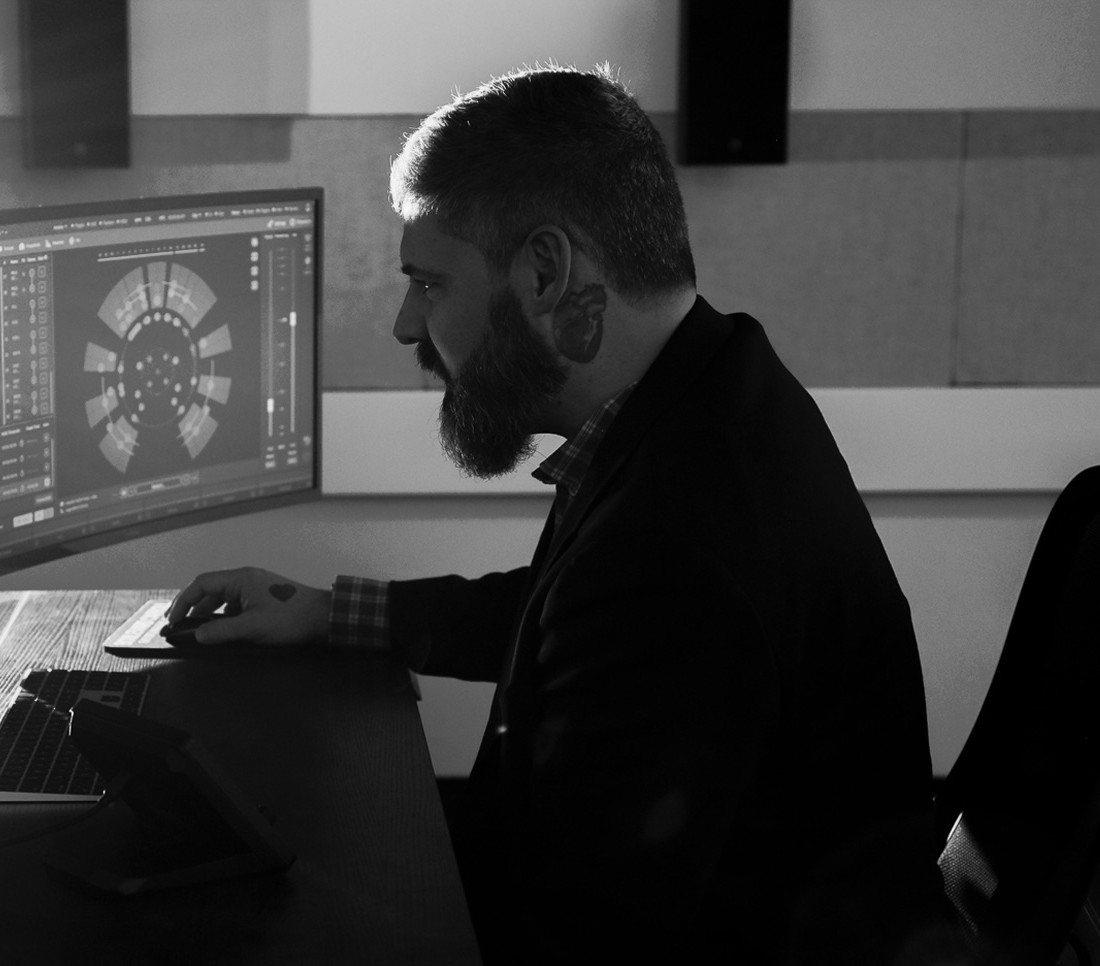
Cody Spencer
Associate sound designer on Beautiful, Mean Girls, Tootsie and Springsteen on Broadway; designer of Here Lies Love and The Outsiders; Tony winner in 2024
Cody Spencer — designer portrait·L-Acoustics; photographer not credited·Copyright retained by original rights holder; editorial identification and historical commentary (fair use), no unrestricted reuse licence
Abe Jacob to Hadestown
The first Broadway sound designers had no school to learn from. The sources stop short of calling this an apprenticeship, so the link to Jacob is marked as influence; the link to Paz is a documented partnership.
Abe Jacob
The first credited Broadway sound designer (Hair, Jesus Christ Superstar, Pippin, A Chorus Line, Evita); Playbill says he mentored many of the current generation without naming them
Abe Jacob — designer portrait·The Tony Awards; photographer not credited·Copyright retained by original rights holder; editorial identification and historical commentary (fair use), no unrestricted reuse licence
Influence, not an apprenticeship
Accepting his 2023 Tony, he said he still texts Jacob before performances and called him the man who basically invented the business. Not described as formal apprenticeship
Sources: Working in Broadway 'Never Gets Old' for Tony-Winning Sound Designer Nevin Steinberg, Playbill, 2023; A Life in the Theatre: Broadway Sound Designer Abe Jacob, Playbill, 2012
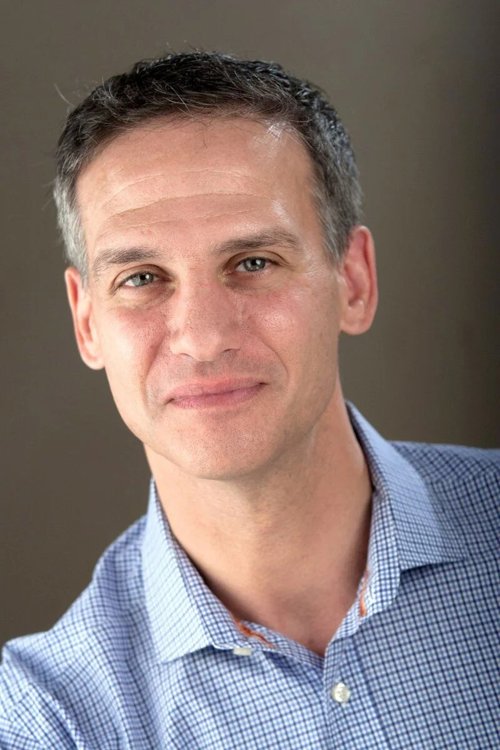
Nevin Steinberg
Co-founder of Acme Sound Partners; designer of Hamilton; Tony winner for Hadestown and Sweeney Todd
Nevin Steinberg — designer portrait·Nevin Steinberg / The Modern Projects website; photographer not credited·Copyright retained by original rights holder; editorial identification and historical commentary (fair use), no unrestricted reuse licence
Co-designer (peers)
Co-designed Hadestown (2019) and Sweeney Todd (2023) with Steinberg; both shared both Tonys
Sources: Jessica Paz credits and awards, Internet Broadway Database; Tony Award winners: Best Sound Design of a Musical, Tony Awards
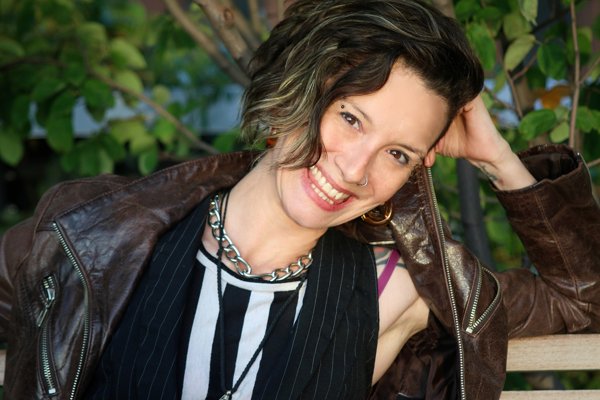
Jessica Paz
Associate designer on Fela!, Dear Evan Hansen and Bandstand; co-designer of Hadestown and Sweeney Todd with Steinberg; first woman to win the sound design Tony
Jessica Paz — designer portrait·Jessica Paz official website; photographer not credited·Copyright retained by original rights holder; editorial identification and historical commentary (fair use), no unrestricted reuse licence
Fela! and the associate who became a Tony winner
The Broadway ladder in its plainest form: an associate designer on a long-running original musical, later a full designer in her own right.
Robert Kaplowitz
Tony winner for Fela! (2010); designer of Leader of the Pack, An Almost Holy Picture, Skeleton Crew and Cost of Living
Robert Kaplowitz — designer portrait·Azuka Theatre; photographer not credited·Copyright retained by original rights holder; editorial identification and historical commentary (fair use), no unrestricted reuse licence
Associate designer
Associate designer on Kaplowitz's Fela!, from workshop through Broadway, tour, Europe and Lagos
Sources: Selected projects: Fela!, Jessica Paz (designer's site); Jessica Paz credits, Internet Broadway Database; Robert Kaplowitz credits, Internet Broadway Database
Jessica Paz
Associate sound designer on both Broadway engagements of Fela! (2009–2013); later designer of Hadestown, POTUS and A Beautiful Noise
Jessica Paz — designer portrait·Jessica Paz official website; photographer not credited·Copyright retained by original rights holder; editorial identification and historical commentary (fair use), no unrestricted reuse licence
No documented apprenticeship link found
The sources consulted do not name a mentor, assistant or associate relationship for Otts Munderloh, Dan Moses Schreier, Scott Lehrer, Paul Arditti, Peter Hylenski, Jonathan Deans, Mick Potter, Gareth Owen, Acme Sound Partners' Tom Clark and Mark Menard. That is a gap in our sources, not evidence that none exists; if you know of a sourced link, please send it in.
Jessica Paz appears in two trees because two documented paths meet in her career.
1966–1978
Abe Jacob: from Monterey Pop to the Mark Hellinger
Abe Jacob came to Broadway from rock and roll. Working out of San Francisco in the 1960s, he mixed for The Mamas & the Papas, Jimi Hendrix and Peter, Paul and Mary, worked the Beatles' final concert at Candlestick Park in August 1966, and designed the sound system for the Monterey Pop Festival.
In 1969 he did sound for Hair in San Francisco, which led to other productions of the show and a Broadway Hair at the Biltmore. In 1971 he happened to be in New York during the troubled previews of Jesus Christ Superstar at the Mark Hellinger, when sound problems were among the reasons performances were being cancelled, and was brought in to fix them. He later said he became a theatre sound designer simply because no one else was doing it.
Through the 1970s he carried concert-system thinking into Pippin, Chicago, The Rocky Horror Show, A Chorus Line and Beatlemania, then Evita. Along the way he introduced head-worn radio microphones, powerful concert loudspeakers with dedicated processing, delayed speaker zones and under-balcony and front-fill speakers, and moved the mix position into the audience — and his requests helped prompt Meyer Sound's UPA loudspeaker.
He also fought for the job itself: he helped sound designers win a union charter within IATSE (Local 922) and its first collective agreement with the Broadway producers in 1993. The Tony for sound design did not exist until 2008, after his peak years; he received a Special Tony Award for modern theatrical sound design in 2024.
Sources, summarised in our own words: “A Life in the Theatre: Broadway Sound Designer Abe Jacob”, Playbill, 2012; “Abe Jacob: Legendary Sound Designer”, Live Design, 2002; “And The Tony Goes To: Abe Jacob”, Live Design, 2024.
1975–2000s
Otts Munderloh: the sound of Michael Bennett's Broadway
Otts Munderloh began mixing theatre sound in his twenties and, according to the USITT tribute that honoured him in 2013, was working as a Broadway sound designer by 1975, when director-choreographer Michael Bennett hired him for the original production of A Chorus Line. Four decades of credits followed, with Bennett, Bob Fosse, Mike Nichols and Jerome Robbins among his collaborators, from Harold and Maude in 1980 to the 1986 Cabaret revival, Lily Tomlin's The Search for Signs of Intelligent Life in the Universe, and the 1988 Macbeth with Glenda Jackson and Christopher Plummer.
The Internet Broadway Database lists his sound design for Jerome Robbins' Broadway, Grand Hotel, The Secret Garden, Crazy for You, Jelly's Last Jam and Passion, plus a long run of Mandy Patinkin and Patti LuPone concert evenings on Broadway — the same concert-to-theatre crossover Abe Jacob had begun a generation earlier.
He was also blunt about what had changed. In a 1987 interview quoted by USITT, he said unamplified singing had effectively vanished from Broadway — even from row D, the sound comes from a speaker — and that modern musicals rise and fall on the skill of the sound operator. USITT gave him its Distinguished Achievement Award in Sound Design and Technology in 2013.
Sources, summarised in our own words: “USITT to Honor Sound Designer Otts Munderloh”, USITT Sightlines, 2013; “Otts Munderloh credits”, Internet Broadway Database; “Otts Munderloh credits and bio”, BroadwayWorld.
1980s–present
Scott Lehrer: the first Tony, and sound that feels unamplified
Scott Lehrer, who also works as a record producer and engineer, received the first Tony Award for Best Sound Design of a Musical when the category debuted in 2008, for Bartlett Sher's Lincoln Center revival of South Pacific; the same production won him a Drama Desk Award. His Broadway work since includes Fiddler on the Roof, The King and I, Hello, Dolly!, Carousel, To Kill a Mockingbird and Into the Woods, with Tony nominations for Joe Turner's Come and Gone, Death of a Salesman, Carousel and To Kill a Mockingbird.
His stated aim, quoted in the New York Times when the Tony category was created, was to do the sound as quietly as possible and keep the focus on the storytelling: the difference between the audience being pushed back by the sound and drawn in. He wants listeners to hear sound arriving from roughly where it is sung or spoken, and a band that sounds rich and spread across the system rather than flat and mono.
He has also worked for decades with playwright-director Richard Nelson, whose productions use hanging microphones instead of body mics. Lehrer wrote that he has spent much of his career since the 1980s trying to break down the wall that radio microphones can create between actor and audience, and that hanging microphones — though unusable for much musical theatre — keep amplification as imperceptible as possible in Nelson's plays.
Sources, summarised in our own words: “Bio”, Scott Lehrer Sound Design; “Press archive (including the NYT 2008 piece on the new Tony category)”, Scott Lehrer Sound Design; “Sounds of Chekhov: Insights from Tony Award-winning Little Comedies Sound Designer, Scott Lehrer”, Alley Theatre, 2023.
1982–2000s
Martin Levan: from recording studio to the Lloyd Webber megamusicals
Martin Levan came to the theatre from the recording studio. After about ten years as a recording engineer and record producer, he began his theatre career in 1982 by supervising the sound of Song & Dance in London, and went on to design for Cats, Starlight Express and The Phantom of the Opera — the long-running West End and Broadway musicals whose expectations for fidelity and scale shaped what the touring-concert systems of the era were asked to do in a theatre.
The Internet Broadway Database credits him with Broadway sound design for Cats, Song and Dance, Starlight Express, The Phantom of the Opera, Aspects of Love, Kiss of the Spider Woman, the 1993 Joseph revival, Show Boat and Sunset Boulevard. His own site describes his guiding aim as making the technology serve the musicians and actors rather than the other way round — a recording engineer's view of live sound, transplanted into the pit and the stalls.
Sources, summarised in our own words: “Martin Levan bio”, BroadwayWorld; “Martin Levan credits”, Internet Broadway Database; “About Martin Levan”, Red Kite Studio (designer's site).
1985–present
Paul Arditti: the tap floor and the British sound designer on Broadway
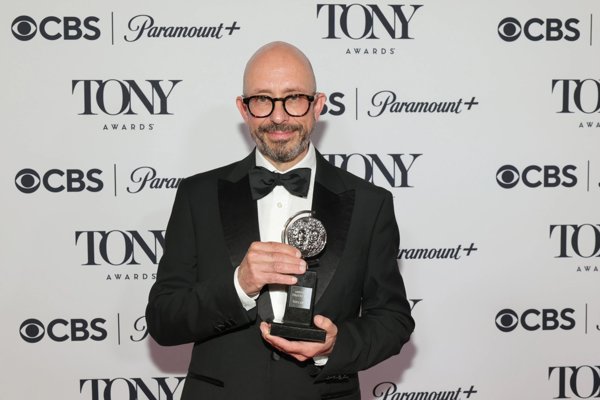
Paul Arditti's career began at London's National Theatre in 1985. He won the 2009 Tony Award for Billy Elliot the Musical and a second Tony in 2025 for Stranger Things: The First Shadow, with further Tony nominations for The Inheritance, Mary Stuart and One Man, Two Guvnors, and Drama Desk wins for The Pillowman, Four Baboons Adoring the Sun and The Inheritance in addition to Billy Elliot and Stranger Things, by his own count five in all.
Billy Elliot shows a designer inventing equipment for the staging. Costumes made it impractical to run radio microphones down the dancers' legs, so Arditti built a tap floor: 96 piezoelectric pickups set into the subfloor beneath the parquet, feeding a 96-channel console that split the floor into zones with compression and gating, and then into a DiGiCo D5T. He said that after looking hard at the digital consoles then available the D5T was the only serious choice, since the London and Australian companies had mixed on Cadac J-type analogue desks.
For Stranger Things on Broadway in 2025 he essentially rebuilt the London design for the 1,600-seat Marquis Theatre, using a DiGiCo SD7 Quantum and a Meyer Sound loudspeaker system — a direct descendant of the theatre consoles described earlier on this page.
Sources, summarised in our own words: “Paul Arditti Sound Design Ltd (awards)”, Paul Arditti (designer's site); “FixIt: Billy Elliot sound designer Paul Arditti”, Mix, 2009; “DiGiCo D5T Helps “Billy Elliot” To Tony & Drama Desk Awards For Sound Design”, ProSoundWeb, 2009; “Stranger Things: The First Shadow”, FOH Magazine, 2025.
1990s–2000s
Tony Meola: sound that serves the story
Tony Meola, trained in music and theatre at Ithaca College, became one of the defining Broadway designers of the 1990s, with Anything Goes, Guys and Dolls, Five Guys Named Moe, Smokey Joe's Cafe, The King and I, Kiss Me, Kate and The Lion King, which earned him a Drama Desk Award in 1997. Wicked followed in 2003, along with its tours and international companies.
His work shows how far microphone placement had moved from Jacob's era. For the revue Smokey Joe's Cafe the cast wore headsets, but for Footloose in 1998 he hid the microphones in the actors' hair because a character telling a story could not wear one — and he described how much harder that makes rock-level vocals and feedback control. His stated principle is that his main job is storytelling, not volume.
Sources, summarised in our own words: “Countdown To Footloose: Sound Designer Tony Meola”, Playbill, 1998; “Tony Meola, Carey Wagner”, The New York Times, 2017; “Sound Design with Tony Meola”, CITT/ICTS Alberta, 2018.
1993–present
Dan Moses Schreier: Sondheim, Lincoln Center and the quiet musical
Dan Moses Schreier has been the sound designer of choice for much of the Stephen Sondheim canon and for Lincoln Center Theater. His Broadway list, as given by the Internet Broadway Database and his own site, includes Into the Woods, Assassins, Pacific Overtures, Sweeney Todd (John Doyle's actor-musician staging), Gypsy with Patti LuPone, Sondheim on Sondheim, A Little Night Music, Falsettos, Act One and The Iceman Cometh, as well as world premieres of August Wilson's Gem of the Ocean and Radio Golf.
He is also a composer — he wrote the music for Daniel Sullivan's Merchant of Venice and for Shakespeare in the Park — so his sound design tends to treat the score and the soundscape as one thing. His own awards page lists Drama Desk Awards for Floyd Collins (1996), Into the Woods (2002), Assassins (2004) and American Psycho (2016), and Tony nominations for Gypsy, A Little Night Music, Sondheim on Sondheim, Act One and The Iceman Cometh.
Floyd Collins returned to Broadway in 2025 at Lincoln Center, and Lincoln Center's own feature recorded that his team installed more than a hundred speakers in the theatre to create the volume of a large cave — a reminder that Broadway sound design can still mean building an acoustic space, not just reinforcing a voice.
Sources, summarised in our own words: “Composer / Sound Design (credits)”, Dan Moses Schreier (designer's site); “Awards”, Dan Moses Schreier (designer's site); “Dan Moses Schreier credits”, Internet Broadway Database; “Dan Moses Schreier: Floyd Collins and Its Echoes”, Lincoln Center Theater.
1993–present
Steve Canyon Kennedy: from production engineer to Tony winner
Steve Canyon Kennedy's Broadway career has two halves. He was first the production engineer — the person who builds and runs the system — on Cats, Starlight Express, Song & Dance, The Phantom of the Opera, Carrie and Aspects of Love, the British megamusicals designed by people such as Martin Levan. That is the same ladder of engineer, associate, then designer that Kai Harada and Jessica Paz later climbed.
As a designer he won a Drama Desk Award for The Who's Tommy and designed The Lion King, Aida, The Producers, Hairspray, Mary Poppins and Jersey Boys, which won him a further Drama Desk. He was Tony-nominated for Catch Me If You Can in 2011 and won the Tony for Best Sound Design of a Play in 2014 for Lady Day at Emerson's Bar & Grill — an intimate, one-woman evening in which the room was rebuilt as a jazz club. He was nominated again in 2019 for Ain't Too Proud.
Sources, summarised in our own words: “LADY DAY's Steve Canyon Kennedy Wins Best Sound Design of a Play Tony”, BroadwayWorld, 2014; “Steve Canyon Kennedy credits and awards”, Playbill; “Steve Canyon Kennedy credits”, Internet Broadway Database.
1993–present
Jonathan Deans: from Cirque du Soleil to the roaming band
Jonathan Deans made his Broadway debut with The Twilight of the Golds in 1993 and has since designed more than twenty Broadway shows — Ragtime, Parade, Fosse, Follies, La Cage aux Folles, Pippin, Waitress, Finding Neverland and Jagged Little Pill among them — alongside fifteen or more Cirque du Soleil productions including LOVE, KA and O. He was Tony-nominated for La Cage aux Folles, Pippin, Jagged Little Pill and Ain't No Mo', and holds USITT's distinguished-career award and Live Design's Abe Jacob Award.
His Tony came in 2025 for Buena Vista Social Club. He told the press room that the hardest problem was ten musicians who share the stage with the cast and move around it: each needed their own monitoring, their positions are tracked so their microphones follow them, and 27 loudspeakers on the floor follow the players so the audience hears sound come from where each musician actually is. He said he did not believe it had been done at that scale before.
Sources, summarised in our own words: “How 2025 Tony Winner Jonathan Deans Juggles 27 Separate Sound Mixes Every Night”, Playbill, 2025; “About Jonathan Deans”, Designing Sound (designer's site); “Jonathan Deans credits and awards”, Playbill.
1998–present
Kai Harada: the assistant becomes the designer
Kai Harada spent about fifteen years as assistant and associate to Tony Meola, on The Sound of Music, Footloose, Kiss Me, Kate, The Lion King and Wicked — the apprenticeship model through which Broadway sound knowledge passes from one generation to the next.
As a designer in his own right he brought digital consoles and networked audio into the theatre: for the 2011 Follies at the Kennedy Center he specified a Stagetec Aurus console and Nexus router to keep a 28-piece orchestra and a 37-strong cast sounding natural, citing earlier use on the Wicked tour. Fun Home, in the round, and The Band's Visit, with roving and under-stage musicians, followed; The Band's Visit won him the Tony in 2018 and Ragtime a second in 2026.
Sources, summarised in our own words: “Meticulous Balance: The Sound Design For Follies At The Kennedy Center”, ProSoundWeb, 2011; “Natural Sound for a Masterpiece”, Live-Production.tv, 2011; “#86 Kai Harada”, in 1: the podcast, 2019; “Tony Award winners: Best Sound Design of a Musical”, Tony Awards.
1999–present
Mick Potter: carrying the London megamusical into the 2010s
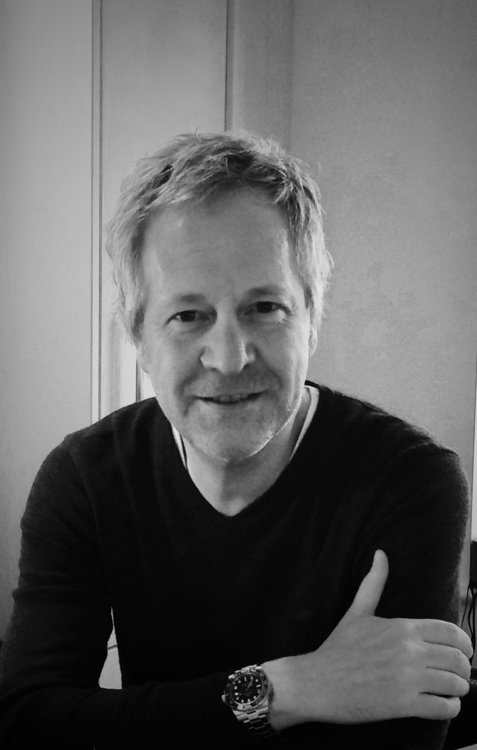
Mick Potter's Broadway work, listed by the Internet Broadway Database, includes Saturday Night Fever, Bombay Dreams, The Woman in White, Evita, the 2014 Les Misérables revival, School of Rock, Cats, Sunset Boulevard, Miss Saigon, Love Never Dies and Stephen Sondheim's Old Friends, and he has been a replacement designer on The Phantom of the Opera. His own site lists a 2005 Olivier Award for The Woman in White and a 2014 Tony nomination for Les Misérables, and says he has designed the sound of over a hundred musical productions worldwide.
A FOH profile of his 2017 Sunset Boulevard revival noted that the staging dictated much of how the miking worked — the show's grand set and intimate scenes sat together — a reminder that revival design is often a new system fitted to a new staging of an old score.
Sources, summarised in our own words: “Mick Potter Sound Design”, Mick Potter (designer's site); “Mick Potter credits”, Internet Broadway Database; “Elevating the Pit: Mick Potter's Sound Design for 'Sunset Boulevard'”, FOH Magazine, 2017.
1999–present
Robert Kaplowitz: Fela! and the Tony for sound's second year
Robert Kaplowitz studied film and television production at NYU's Tisch School of the Arts and came up on Broadway as an assistant and associate sound designer — Marie Christine, Contact, The Crucible, Golda's Balcony — before co-designing An Almost Holy Picture in 2002 and designing Leader of the Pack in 2001.
He won the 2010 Tony Award for Best Sound Design of a Musical for Fela!, the show about Nigerian musician Fela Kuti, in the second year of the category. He returned to Broadway sound with the plays Skeleton Crew, for which he also composed original music, and Cost of Living in 2022.
Sources, summarised in our own words: “2010 Tony Awards: Robert Kaplowitz Wins 'Best Sound Design of a Musical'”, BroadwayWorld, 2010; “Robert Kaplowitz credits and awards”, Internet Broadway Database; “Robert Kaplowitz bio”, BroadwayWorld.
2000–2012
Acme Sound Partners: the design firm
Tom Clark, Mark Menard and Nevin Steinberg founded Acme Sound Partners in 2000, treating Broadway sound design as a partnership rather than a lone designer's credit. Their musicals ranged from La Bohème (Drama Desk, 2003), Avenue Q, Spamalot and The Light in the Piazza to In the Heights, the 2009 Hair revival — Jacob's old show — and the 2009 Ragtime revival, which won the 2010 Drama Desk.
They were nominated for the Tony for sound design in five consecutive years once the category arrived. Steinberg left in 2011; his solo career and Jessica Paz, who came up through the same associate-designer path, each have their own entry below.
Sources, summarised in our own words: “Acme Sound Partners (Master Classes profile)”, Live Design, 2010; “Acme Sound Partners credits”, Internet Broadway Database; “ACME Sound Partners”, BroadwayWorld.
2000–present
Nevin Steinberg: Hamilton and the custom Broadway system
Nevin Steinberg's route to design ran through the crew. As a Harvard student he worked as an audio technician at the American Repertory Theatre in Cambridge, then moved through dinner theatre and the national tours of The Secret Garden and Angels in America before arriving in New York, where he engineered shows including Sunset Boulevard and made his co-designing Broadway debut with The Full Monty in 2000. Between his own work and Acme he has collected six Tony nominations, and his credits run from The Full Monty and Spamalot through Bright Star, Hamilton and the 2023 revival of Sweeney Todd, by which count he has designed or co-designed 57 Broadway productions and won the sound design Tony twice — for Hadestown and for Sweeney Todd.
The lineage stays deliberate. Accepting his second Tony in 2023, he described still texting with Abe Jacob before performances and called Jacob the man who basically invented the business — the first sound designer on Broadway, the designer of A Chorus Line, Hair and Pippin — and said he was grateful to him for leading the way.
His Hamilton work shows how Broadway sound is built as much as composed. The Richard Rodgers is a mid-sized musical house with tight quarters and many isolated seating areas — under the boxes, in the mezzanine shadow, at the back of the balcony — and, as on most Broadway shows, there is no house sound system, so the production's system is specified and installed for the show alone. Steinberg had engineered or designed five earlier productions in that same theatre, including In the Heights, and knew exactly what the room asked of a hip-hop score that needed both punch and high resolution. His stated aim is not one uniform sound for the whole house but the best possible experience in each seating area, working with the architecture rather than pretending it away; in interviews since, he has walked through choices such as the stuttering gunshot effects, the Yorktown dance break and the layered rewind of Satisfied.
He has also defended the profession itself. After the Tony Awards dropped the sound design category in 2014 he publicly pressed for its restoration, arguing the decision was a mistake; the award returned in 2018, and Hadestown took it the next year.
Sources, summarised in our own words: “Working in Broadway 'Never Gets Old' for Tony-Winning Sound Designer Nevin Steinberg, Who's Worked on 57 Shows”, Playbill, 2023; “Sound That Fits The ($10) Bill — An Interview with Nevin Steinberg, Sound Designer for Hamilton”, Designing Sound, 2016; “Conversations With Sound Artists: The Sound of Hamilton”, Dolby Creator Lab; “#477 and #478: Nevin Steinberg, Hamilton Broadway's Sound Designer”, The Hamilcast, 2025.
2000s–present
Gareth Owen: the concert world returns

Gareth Owen's path echoes Jacob's half a century later. He taught himself from a live-sound book while mixing bands in a Cornish nightclub, then hauled cable and delay speakers through festival mud before mixing stadium shows for acts including Bon Jovi, the Rolling Stones and the Spice Girls. Covering a colleague's shift on the West End's Blues Brothers pulled him into theatre.
His Broadway work began with intimate shows such as A Little Night Music and End of the Rainbow, then turned to rock-scored musicals — Come From Away, MJ, Hell's Kitchen, Back to the Future, The Who's Tommy — where the challenge, he says, is delivering a concert's energy without frightening a theatre audience. MJ, which he designed around a d&b V-Series system with DS100 Soundscape processing in the 1,445-seat Neil Simon Theatre, won him the 2022 Tony.
Sources, summarised in our own words: “MJ The Musical on Broadway”, FOH Magazine, 2022; “Gareth Owen explains how he makes sonic experiences on Broadway”, Broadway News, 2024; “Let there be sound”, Drama and Theatre, 2024.
2007–present
Jessica Paz: Hadestown and the band on stage
Jessica Paz's path into Broadway sound ran through concert stages. She studied forensic psychology and taught herself sound, entering theatre in her twenties by volunteering at a regional theatre, and worked as a front-of-house engineer for touring acts including the Preservation Hall Jazz Band, Antibalas and Femi Kuti. On Broadway she came up the same way the previous generation had — as an associate designer, on shows including Fela!, Disaster!, Bandstand and Dear Evan Hansen — before Hadestown became her first full sound design. She has since taught sound design at Princeton and mentors through groups such as SoundGirls and Women's Audio Mission.
Hadestown, which she designed with Steinberg, put a concert's problems inside a theatre. Eight musicians stand on the stage itself rather than in a pit: the drummer is enclosed in a scenic space beneath the staircase to control bleed, the piano and trombone are the loudest sources, and a delicately orchestrated score leaves single players carrying whole sections. The gear followed the staging — band microphones from Sennheiser, Shure, beyerdynamic and DPA with Radial direct boxes; performers on Sennheiser radio with DPA 4066 and 4061 capsules, with the principals and the three Fates double-miked; a DiGiCo SD7 carrying close to 250 inputs once monitoring duplicates are counted; eight reverb engines running in Apple MainStage; QLab playback plus a separate click feed for the band; Meyer Leopard arrays for the orchestra and mezzanine with Mina covering the high balcony, UPQ mains and UPJ effects speakers, d&b surrounds and fills, Alcons delay speakers and Meyer 1100-LFC and 900-LFC subwoofers.
For the 2019 design she became the first woman ever nominated for and to win the Tony Award for Best Sound Design of a Musical, sharing the win with Steinberg . She is the first woman to win Best Sound Design of a Musical; Carolyn Downing became the first woman to win the play award in 2023. Her range since runs from Little Shop of Horrors off-Broadway to outdoor Shakespeare in the Park at the Delacorte and the Neil Diamond musical A Beautiful Noise, with a reputation for making a theatre sound like anything from a stadium to an intimate office while keeping playback and soundscapes seamlessly inside the world of the show.
Sources, summarised in our own words: “Tony Award winners: Best Sound Design of a Play”, Tony Awards; “Sounds of the Underworld”, FOH Magazine, 2019; “Sound Designer Jessica Paz Talks About the Art Behind the Things You Hear in the Theater”, TheaterMania, 2022; “Signal To Noise, Episode 251: Broadway Sound Designer Jessica Paz”, ProSoundWeb, 2024; “WCA #292 with Jessica Paz”, Working Class Audio, 2020.
2009–present
Peter Hylenski: the most-nominated designer
Peter Hylenski, a 1997 Carnegie Mellon graduate, holds the record for sound-design Tony nominations: ten, including Rock of Ages, The Scottsboro Boys, Motown, After Midnight, King Kong, Once on This Island, Beetlejuice and, in 2025, both Just in Time and Maybe Happy Ending, which BroadwayWorld counted as his ninth and tenth. He won for Moulin Rouge! The Musical at the 74th Tony Awards, held in September 2021 after the pandemic closure; the Tony Awards list that win under the 2020 season.
Moulin Rouge! is a good example of the modern system-and-band design. The Mix account describes a mashup of more than 70 songs built on a live band — drums, two guitars, bass, string quartet, brass quartet and two keyboards — with some track augmentation, and Hylenski's aim of a sound that can be a rock concert one moment and an intimate guitar and voice the next. For Frozen, he described running forty wireless microphones, a 21-piece orchestra and hundreds of effects cues, with a proscenium system plus surrounds, delay zones for under-balcony areas and a fair amount of work on the theatre's acoustics. His maxim is that a designer has two jobs: the audience's experience, and keeping the orchestra, cast and director able to do theirs.
Sources, summarised in our own words: “Inside the Sound Design of Moulin Rouge! The Musical”, Mix, 2019; “7 Sound Design Tips for Theater: Frozen's Peter Hylenski”, Waves Audio, 2018; “Peter Hylenski Unpacks His 4-Show, 2-Tony Nomination Season”, BroadwayWorld, 2025; “Peter Hylenski Wins 2020 Tony Award for Sound Design of MOULIN ROUGE!”, Theatrely, 2021.
Tony winner 2011 and 2014
Brian Ronan: the hidden-mic Broadway workhorse
Brian Ronan has designed more than forty Broadway productions, from Spring Awakening, Next to Normal and American Idiot to Mean Girls, Tootsie, Mrs. Doubtfire and Springsteen on Broadway, according to the Book of Mormon production's own biography. He won the Tony Award for Best Sound Design of a Musical for The Book of Mormon (2011) and for Beautiful: The Carole King Musical (2014), and was nominated for Next to Normal, Anything Goes and Nice Work If You Can Get It.
His career is a measure of how much of Broadway sound is now steady, repeated craft rather than one-off spectacle: a designer whose name sits across rock musicals, revivals and an artist residency, each tuned for a different house and style.
Sources, summarised in our own words: “Brian Ronan, sound design (cast & creative)”, The Book of Mormon (production site); “BEAUTIFUL's Brian Ronan Wins Best Sound Design of a Musical Tony”, BroadwayWorld, 2014; “Brian Ronan credits”, Internet Broadway Database.
Tony winner 2024
Cody Spencer: The Outsiders and the new generation
St. Louis native Cody Spencer won the 2024 Tony Award for Best Sound Design of a Musical for The Outsiders, in a season in which he designed three shows — he was also nominated for Here Lies Love, co-designed with M.L. Dogg, and co-designed Gutenberg! His earlier Broadway résumé, according to HuffPost, includes The Book of Mormon and Tootsie, and he has worked with Bruce Springsteen on his Broadway residency.
Spencer's own reaction to the win, reported by Playbill, was that he felt surprised to be recognised, and he told HuffPost that he is the one who hides behind the console. His win shows the profession moving to a new generation of designers who came up as engineers on earlier productions and now carry full designs.
Sources, summarised in our own words: “'It Feels Like I Belong Here.' Cody Spencer Reacts to Tony Win for The Outsiders”, Playbill, 2024; “Tony Winner Cody Spencer Talks 'The Outsiders' On Broadway”, HuffPost, 2024; “Soundscapes & Stories: Cody Spencer's Tony Award Winning Broadway Journey”, Hear Us Out podcast, 2025.
Every Tony winner for sound design
The Tony Awards added sound design in 2008, suspended it after 2014 and restored it in 2018. Years follow the Tony Awards' own season labels. Source: the Tony Awards winners lists for musicals and plays.
2008
Musical: Scott Lehrer, South Pacific
Play: Mic Pool, The 39 Steps
2009
Musical: Paul Arditti, Billy Elliot the Musical
Play: Gregory Clarke, Equus
2010
Musical: Robert Kaplowitz, Fela!
Play: Adam Cork, Red
2011
Musical: Brian Ronan, The Book of Mormon
Play: Christopher Shutt, War Horse
2012
Musical: Clive Goodwin, Once
Play: Darron L West, Peter and the Starcatcher
2013
Musical: John Shivers, Kinky Boots
Play: Leon Rothenberg, The Nance
2014
Musical: Brian Ronan, Beautiful: The Carole King Musical
Play: Steve Canyon Kennedy, Lady Day at Emerson's Bar & Grill
2018
Musical: Kai Harada, The Band's Visit
Play: Gareth Fry, Harry Potter and the Cursed Child
2019
Musical: Nevin Steinberg & Jessica Paz, Hadestown
Play: Fitz Patton, Choir Boy
2020
Musical: Peter Hylenski, Moulin Rouge! The Musical
Play: Simon Baker, A Christmas Carol
2022
Musical: Gareth Owen, MJ the Musical
Play: Mikhail Fiksel, Dana H.
2023
Musical: Nevin Steinberg & Jessica Paz, Sweeney Todd
Play: Carolyn Downing, Life of Pi
2024
Musical: Cody Spencer, The Outsiders
Play: Ryan Rumery, Stereophonic
2025
Musical: Jonathan Deans, Buena Vista Social Club
Play: Paul Arditti, Stranger Things: The First Shadow
2026
Musical: Kai Harada, Ragtime
Play: Mikaal Sulaiman, Death of a Salesman
Sources on Fast and Wide
- Staging a Musical: The Sound Perspective (Andrew Bruce)
- Theatre Sound: Towards Digital Mixing (Andrew Bruce)
- Andrew Bruce: The Musical (Fast and Wide, interviewing Andrew Bruce)
- Theatrical Address: Loudspeakers for Theatre (Fast and Wide, with Gary Stocker, Bob McCarthy, Andrew Bruce and Chris Headlam)
See also the glossary for terms such as line-by-line mixing.