The shift
After the war, better magnets, amplifiers, and standardized components made sound reinforcement more reliable. The PA was still usually an accessory to the venue—not yet a touring instrument.
In San Francisco, Harry McCune Sr. founded McCune Sound Service in 1932 and rented systems to big bands through the 1930s and 1940s. In 1965 the company began supplying road systems for touring acts, starting with Herb Alpert & the Tijuana Brass.
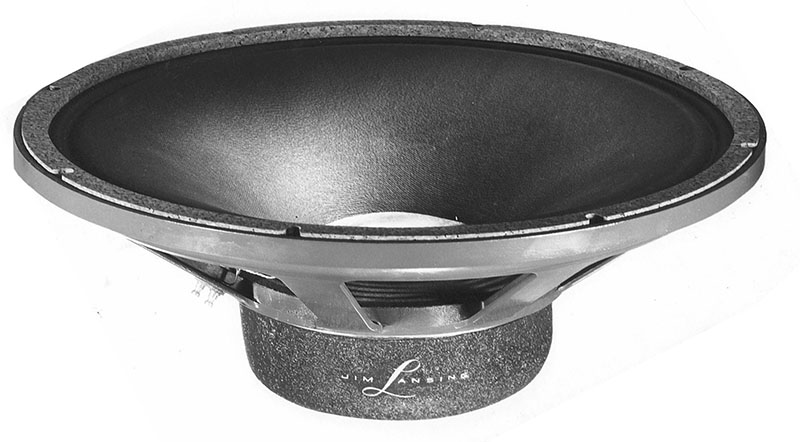
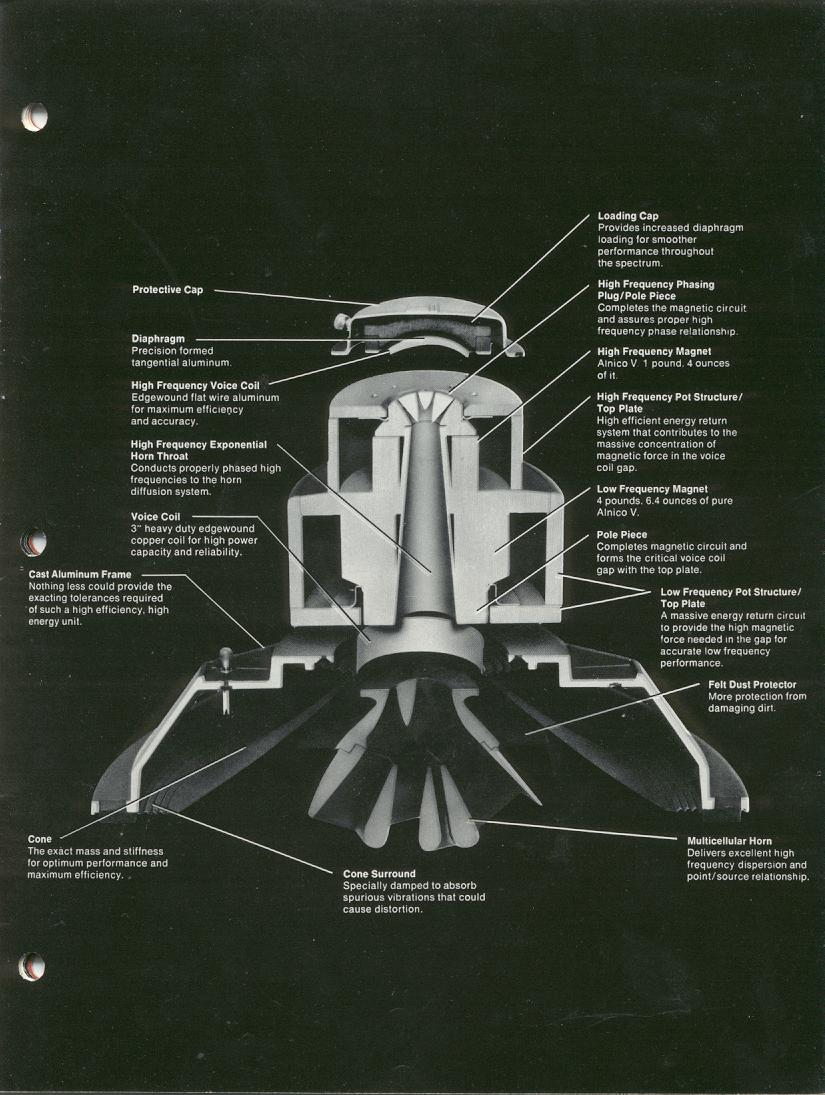
The war itself rebuilt the industry that postwar live sound would draw on. In January 1942 the US War Production Board converted peacetime factories to military work, and Shure, Western Electric, Electro-Voice, Universal and other American transducer makers retooled to build microphones and headphones for the armed forces. Shure grew from 100 to 1,000 employees between 1941 and 1943, ran its Unidyne lines up to 24 hours a day, and built throat and oxygen-mask microphones for cockpits estimated at 115 dBA and above. When the war ended, S.N. Shure kept military quality specifications for peacetime products, a decision the company's historian ties to the reliability later expected of stage microphones. Electro-Voice's T-45 lip microphone of 1944 attacked the same problem as a design: ports on both sides of the diaphragm let surrounding noise cancel while the close voice came through. Wartime materials work also reached the loudspeaker: James B. Lansing's D130 woofer used the new Alnico V magnet material developed during the war, and the D130 quickly found favour with cinema and sound-reinforcement users.
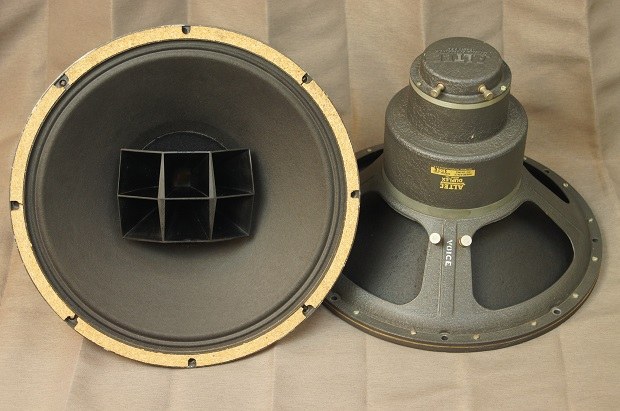
After the war, cinema components became the live-sound toolkit. Altec Lansing’s Voice of the Theatre family, including the A7, A4 and A2, packaged the 288 compression driver and 515 woofer into standard enclosures. Halls, clubs and later rock tours could buy them off the shelf. The coaxial Altec 604 put both drivers on one axis for smaller rooms.
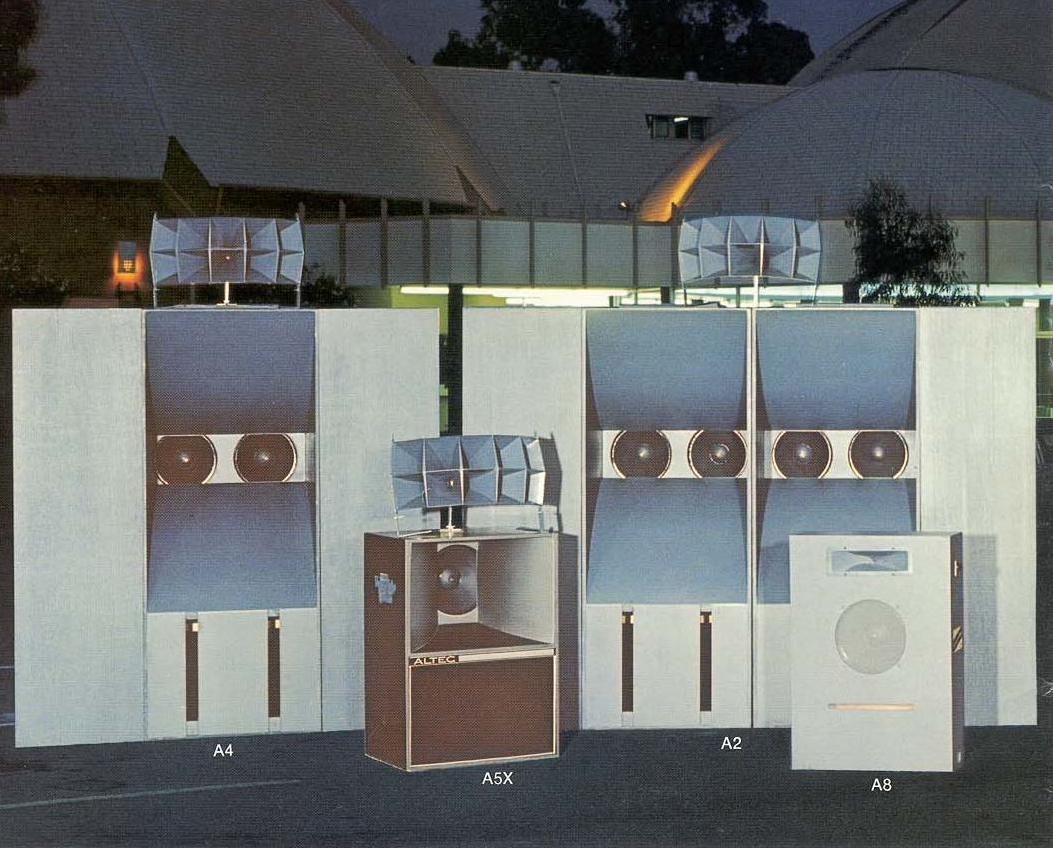 Altec Lansing A-series Voice of the Theatre© Altec Lansing Technology, courtesy Paul Barello · © Altec Lansing Technology; used for identification and historical commentary
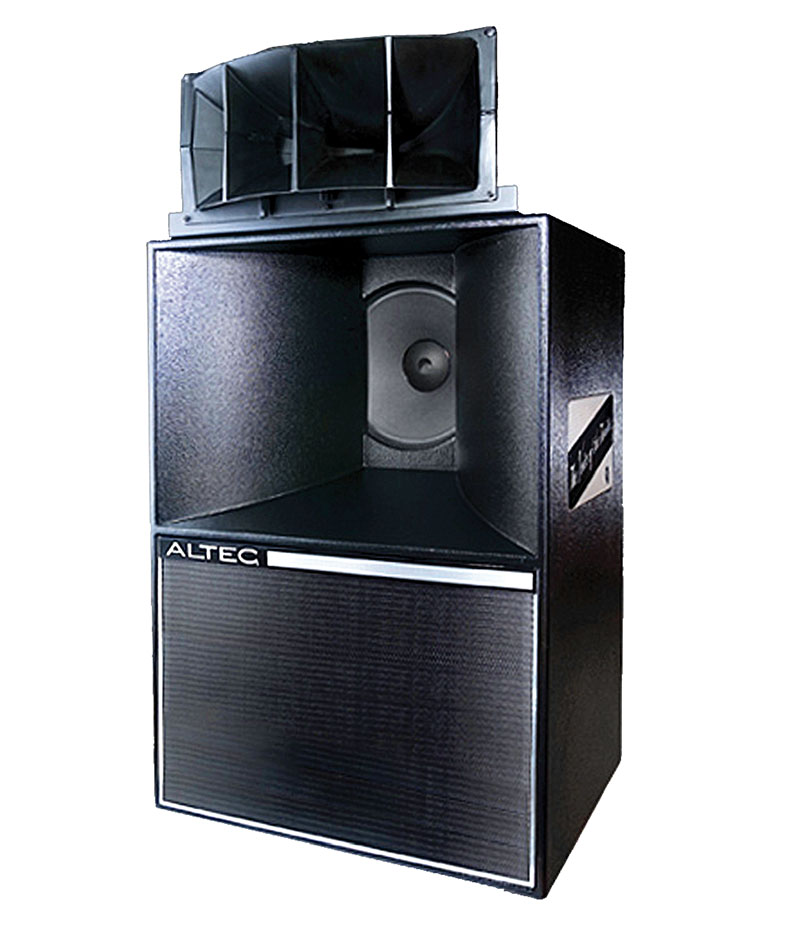 Altec Lansing Voice of the Theatre A7© FOH magazine; photographer not credited · Rights retained by the rights holder; reproduced for historical commentary
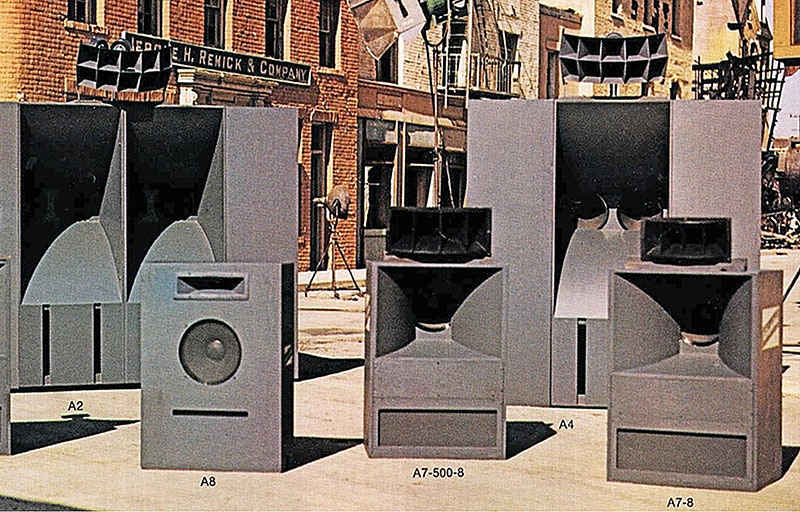 Altec Lansing Voice of the Theatre A4© FOH magazine; photographer not credited · Rights retained by the rights holder; reproduced for historical commentary
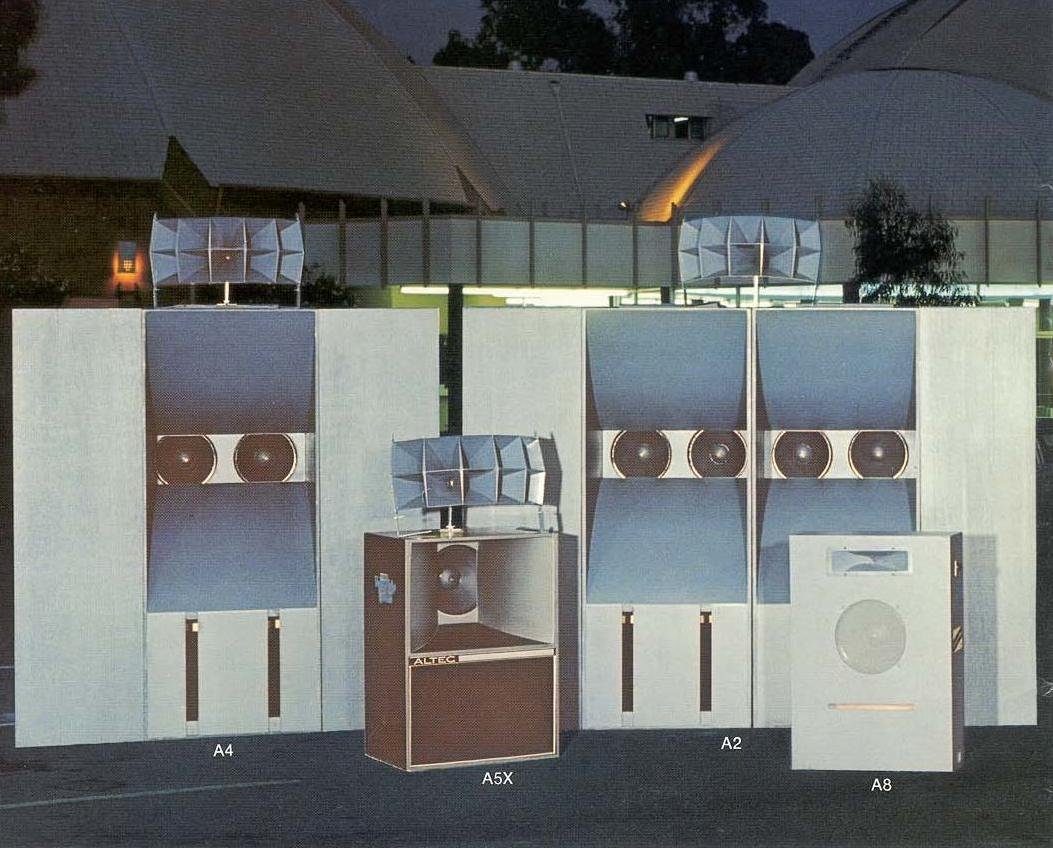 Altec Lansing Voice of the Theatre A2© Altec Lansing · © Altec Lansing
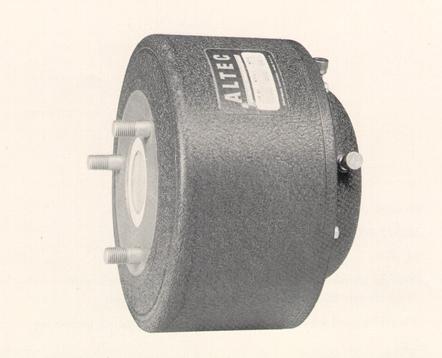 Altec Lansing 288 compression driver© Altec Lansing Corporation · © Altec Lansing; used for identification and historical commentary
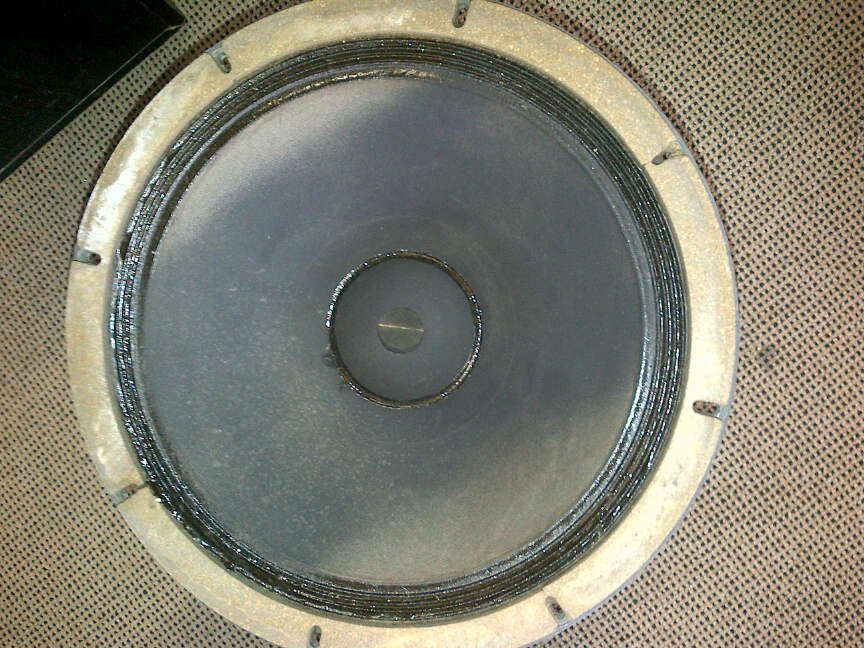 Altec Lansing 515 low-frequency driverJacques from Cape Town, South Africa · CC BY 2.0
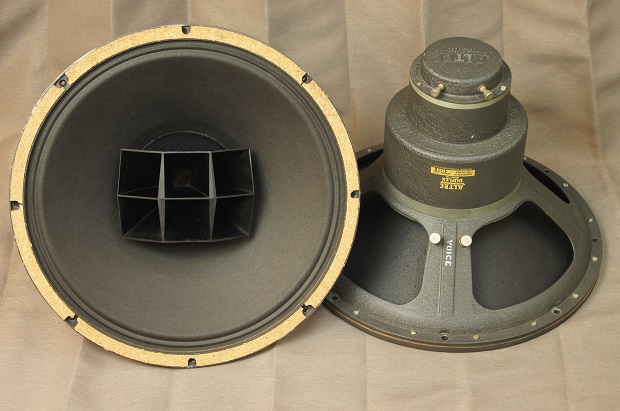 Altec Lansing 604 DuplexAuthor unknown · CC0
James B. Lansing’s new company, JBL, pursued the same goals with more efficient parts: the D130 woofer and the 375 high-frequency driver. Later rock engineers loaded exactly these parts into bass horns and flying clusters.
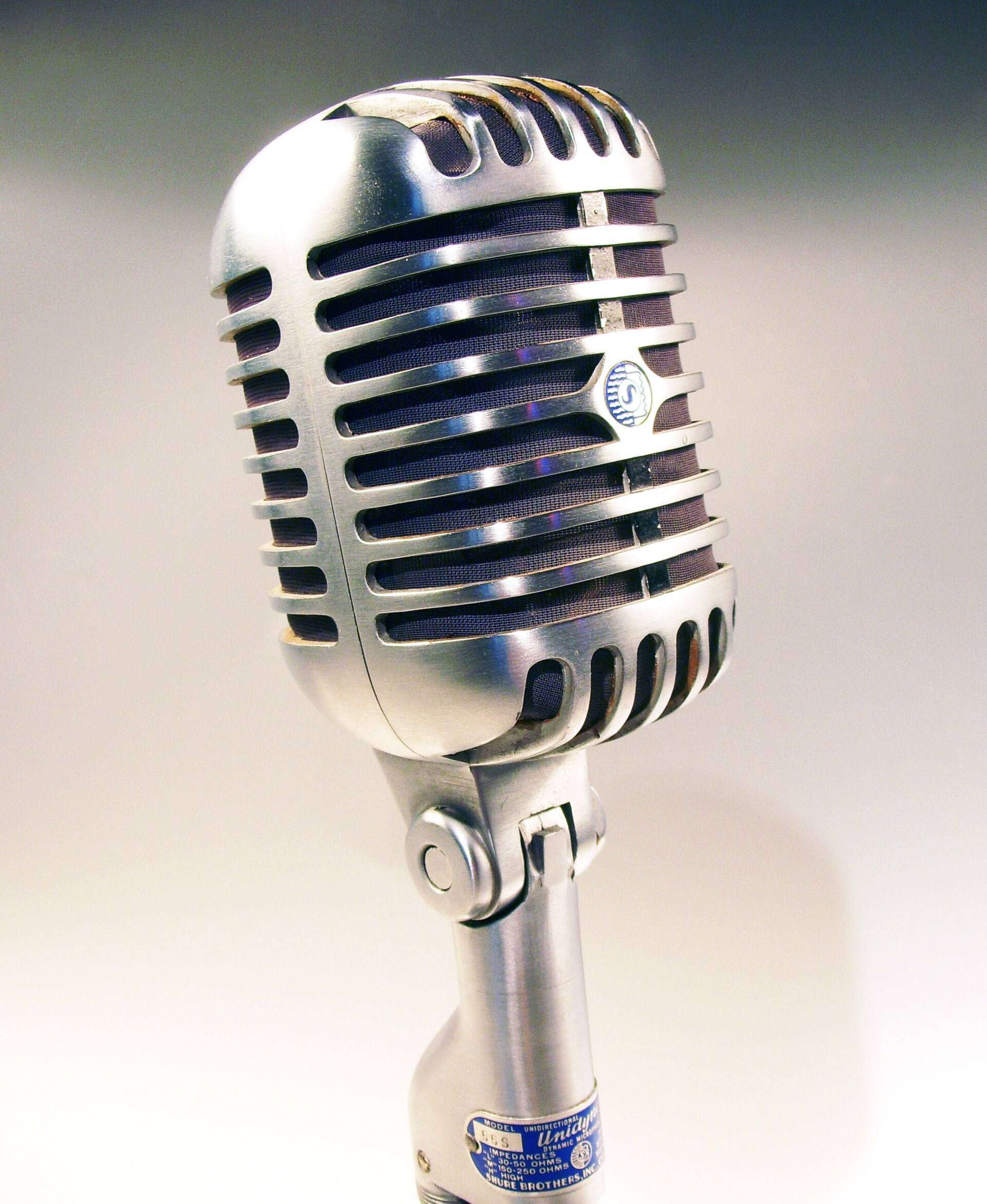
Microphones were redesigned to fight feedback. Shure’s 55S, the Unidyne III / 545 and the Unisphere 565 used cardioid patterns to reject sound from the PA. Electro-Voice’s 664, AKG’s D12 and Sennheiser’s MD 421 spread the idea across Europe and the US. Balanced lines carried these signals further with less noise, into RCA’s transistorised BN-6A portable remote amplifier (1958) and levelling amplifiers such as the Gates Sta-Level.
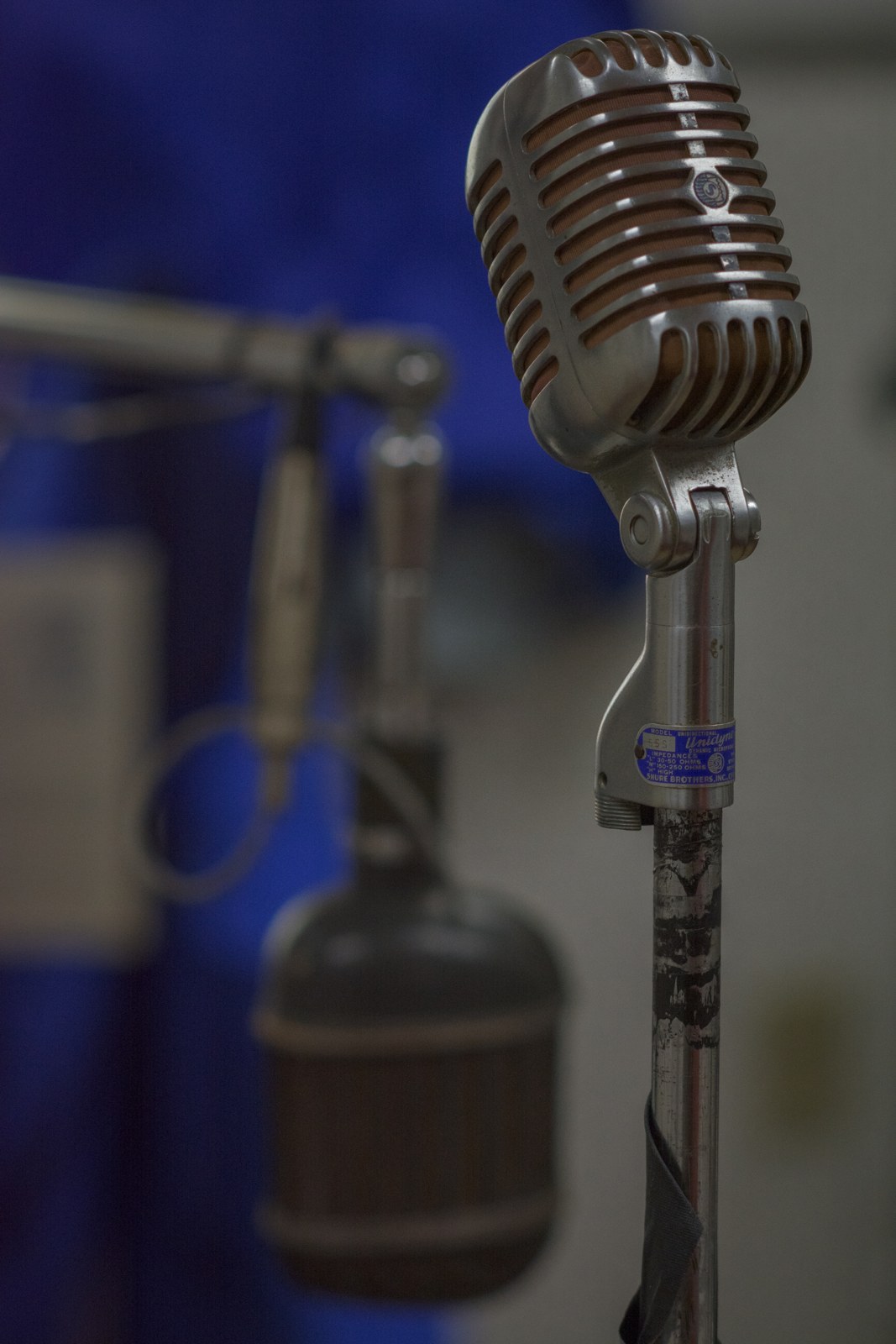 Shure 55S UnidyneEthan Long · CC BY-SA 2.0
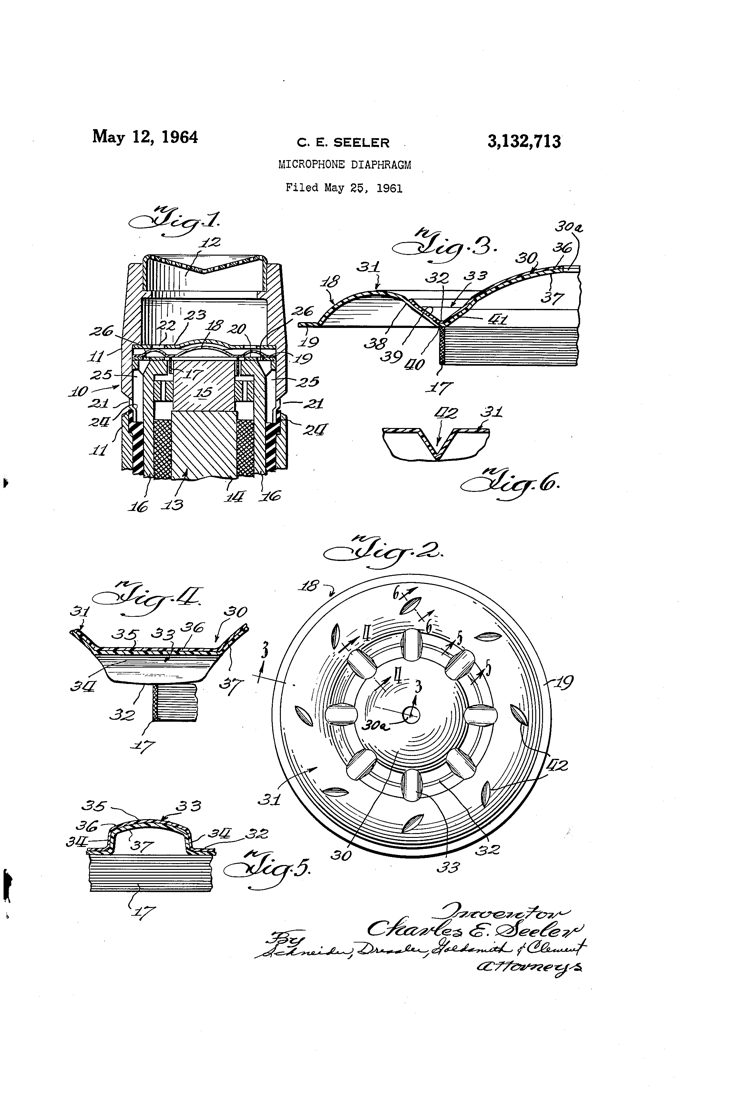 Shure Unidyne III / Model 545Charles E. Seeler (Shure Brothers) · Public domain (US patent)
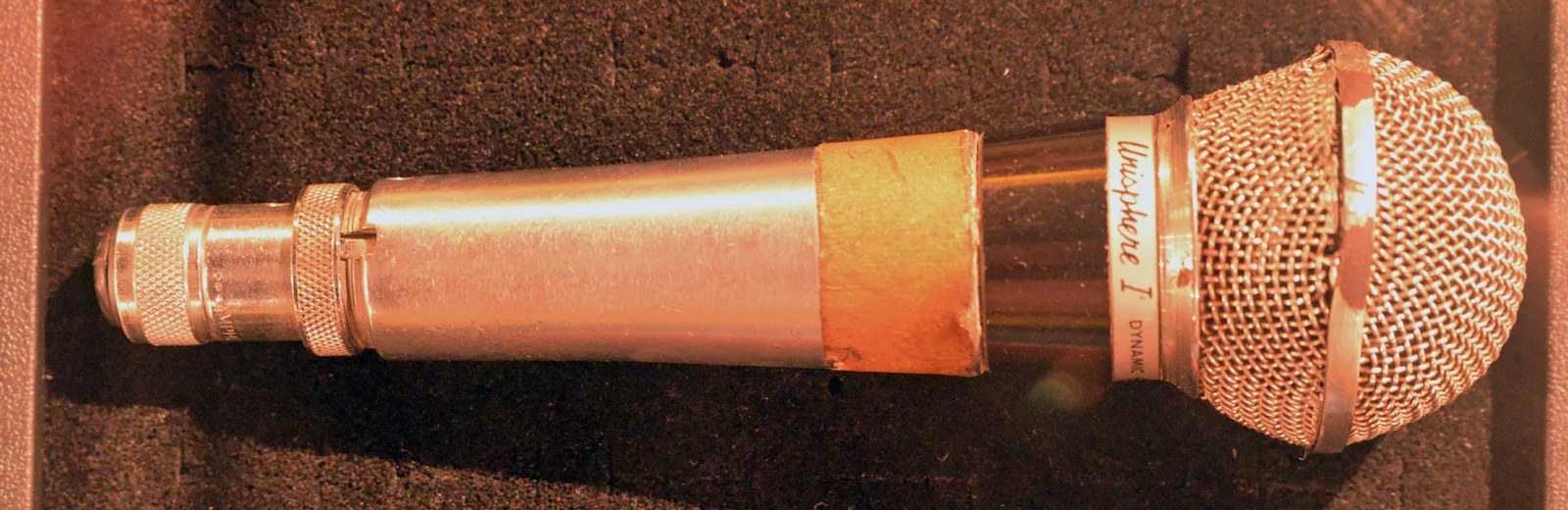 Shure 565 UnisphereJud McCranie · CC BY-SA 4.0
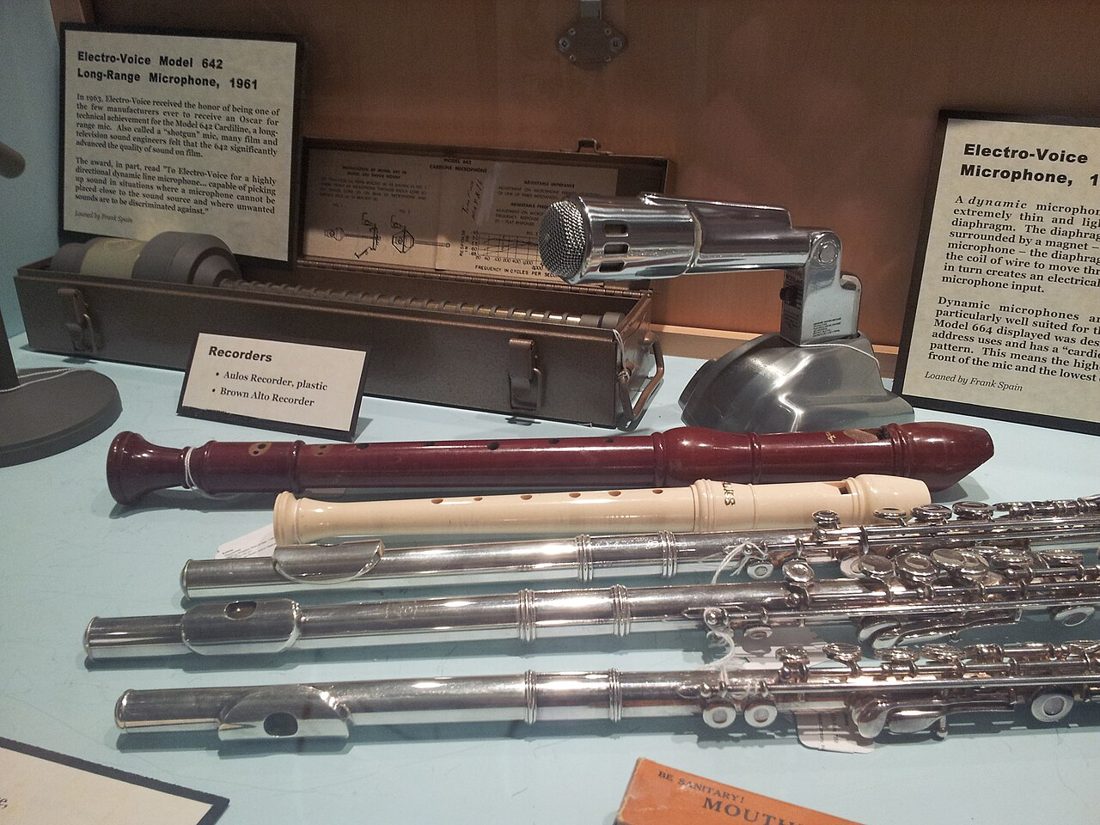 Electro-Voice 664 dynamic microphonedoryfour · CC BY-SA 2.0
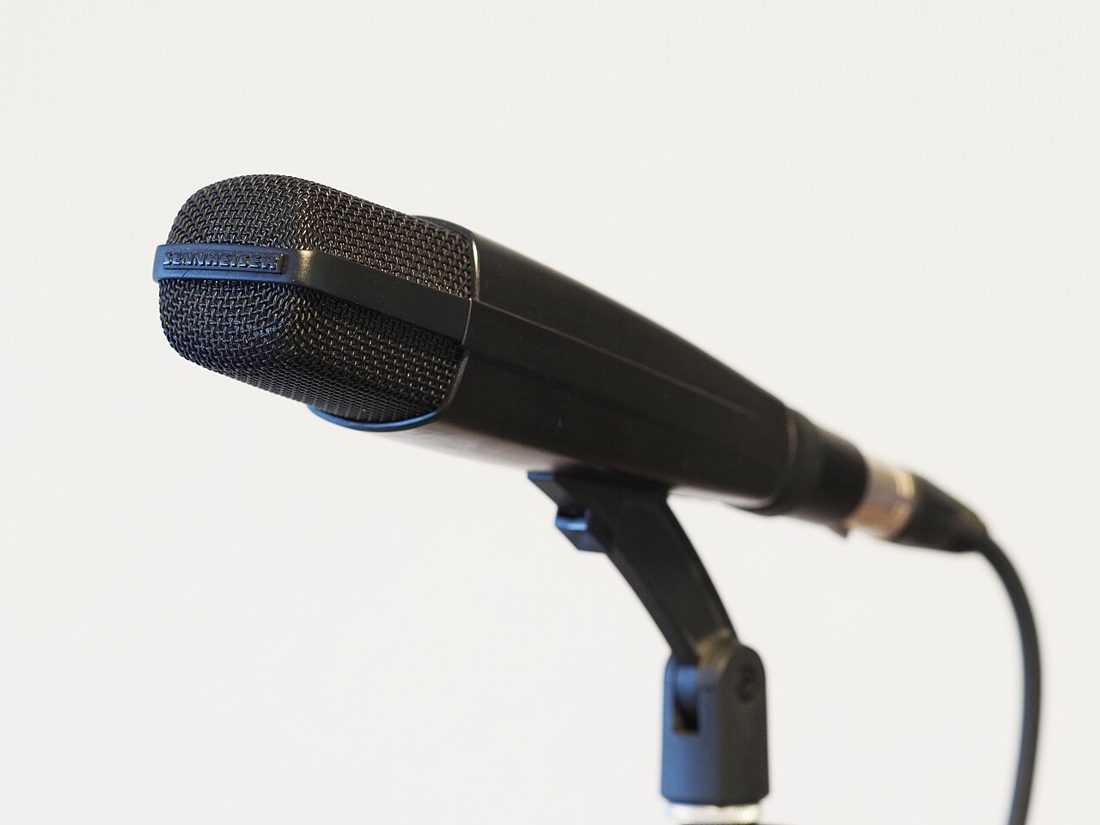 Sennheiser MD 421 microphoneKreuzschnabel · CC BY-SA 3.0
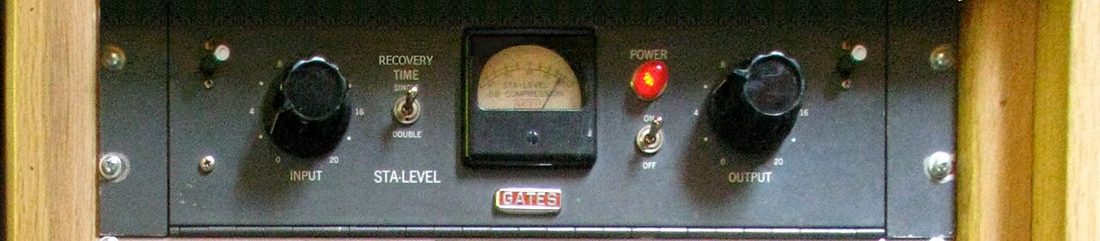 Gates Sta-Level compressoreyeliam · CC BY 4.0
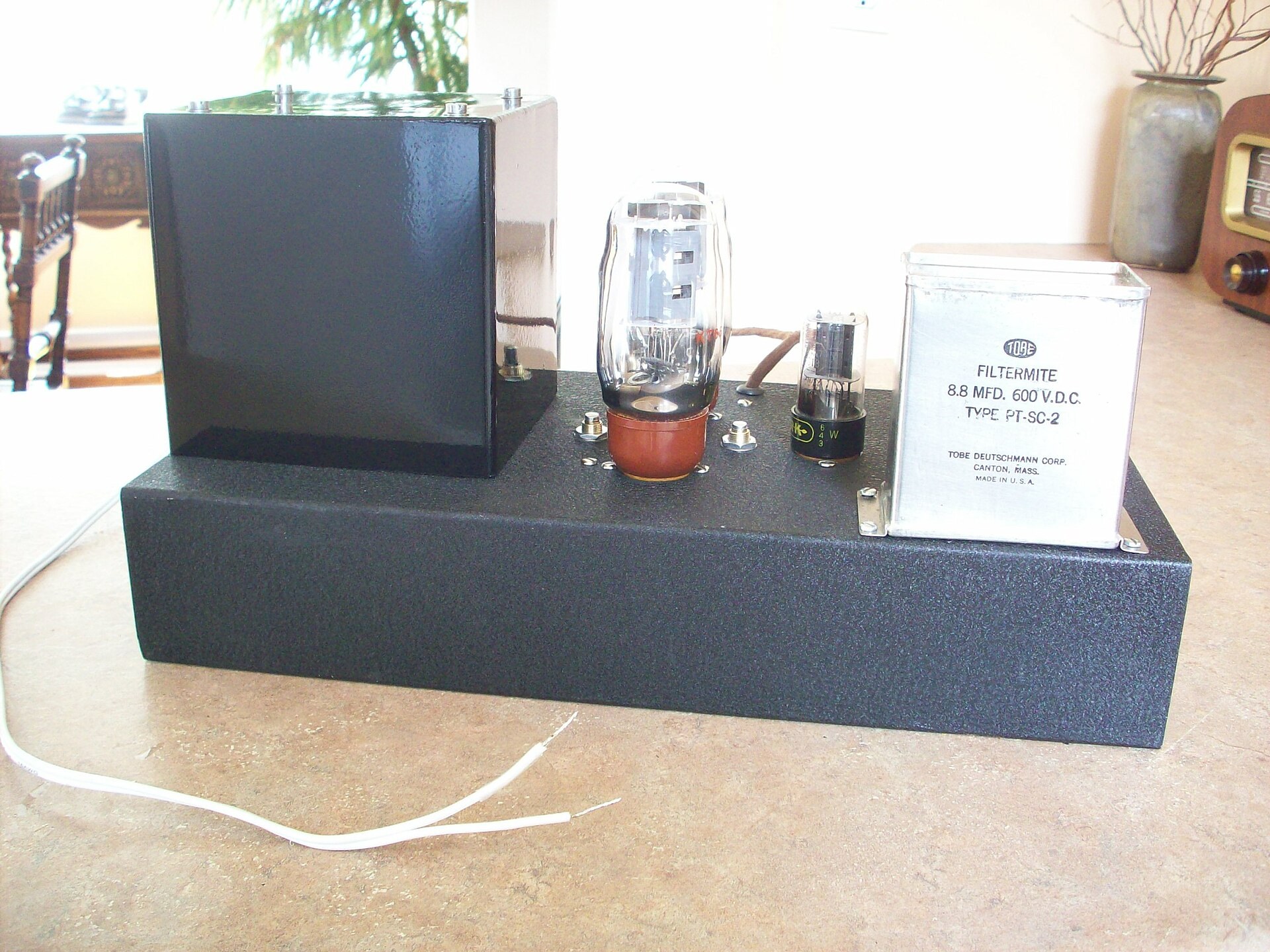
Power rose with the audience. Valve amplifiers like the McIntosh MC30 and MC60 gave way at the end of the 1960s to the solid-state Crown DC-300, and British groups used dedicated vocal systems such as WEM’s PA. The gear was still too small for stadium rock, but the parts and the craft of the next era were in place.
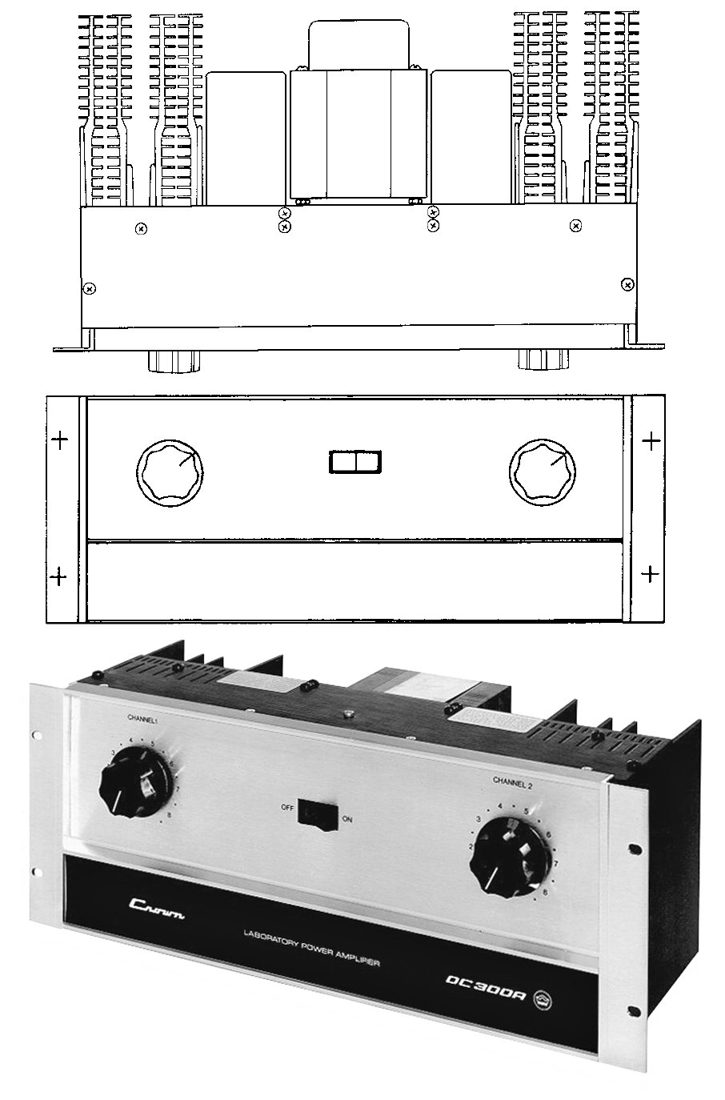
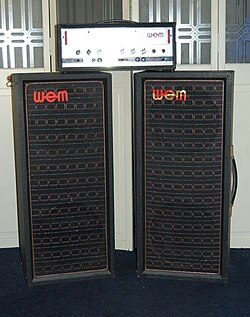
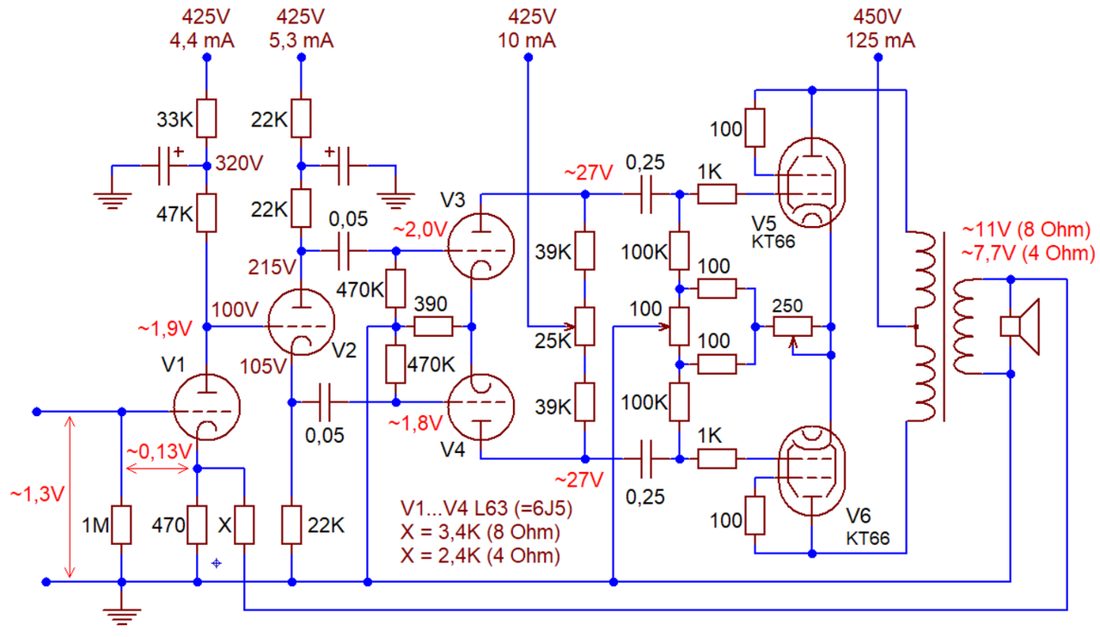
After the war, amplifier designs like the 1947 Williamson and the 1945 Leak Point One showed how far low-distortion valve gain had come. Both were designed for domestic listening; their low-distortion valve circuits informed professional amplifiers too.
Plates
Documents from the era
Chronology
Milestones
Audio makers go to war
The War Production Board converts American transducer makers, including Shure and Electro-Voice, to military microphone and headphone production.
McCune Sound Service
Harry McCune Sr. founds a San Francisco rental company that supplies big bands, and from 1965 touring acts.
Thread · Hearing the stageVoice of the Theatre
Altec introduces efficient theater systems that become influential well beyond cinemas.
JBL is founded
James B. Lansing establishes the company that will develop enduring professional transducers and enclosures.
A new handheld standard
The Shure Unidyne III architecture leads to the familiar directional stage microphone form.
Column speakers proliferate
Vertical driver columns improve speech coverage in reverberant halls and become common in portable vocal PAs.
Stadium scale exposes the gap
The Beatles at Shea Stadium reveal that house and field-announcement systems cannot compete with crowds and amplified bands.
Technical principle
Gain before feedback
A system feeds back when sound from the loudspeaker re-enters a microphone, is amplified again, and completes a loop whose gain reaches unity at a resonant frequency. Directional microphones, distance, careful speaker placement, and equalization all increase usable level.
Simplified signal chain
Working vocabulary
Selected sources
- 01Audio Artifacts: When Shure Joined the Allied Forces (Michael Pettersen, 20 September 2022) Shure
- 02Electro-Voice Rags to Riches: T45 Noise-Cancelling Microphone (1944) Martin Mitchell's Microphones
- 031947 JBL D130 Loudspeaker Mix
- 04Voice of the Theatre History Altec Lansing
- 05Company History JBL Professional
- 06The Unidyne Story Shure
- 07McCune Audio/Video/Lighting Wikipedia
- 08RCA Broadcast News No. 101 (August 1958) RCA (via worldradiohistory.com)
- 09The Williamson Amplifier: Details of Chosen Circuit and Its Performance Wireless World (reprint via r-type.org)
- 10Leak Timeline 44bx.com
Keep going